Science, the Cold War, and developmentalism: A Latin American perspective
Event details
- Start: 29 June 2026 12:40
- End: 29 June 2026 14:30
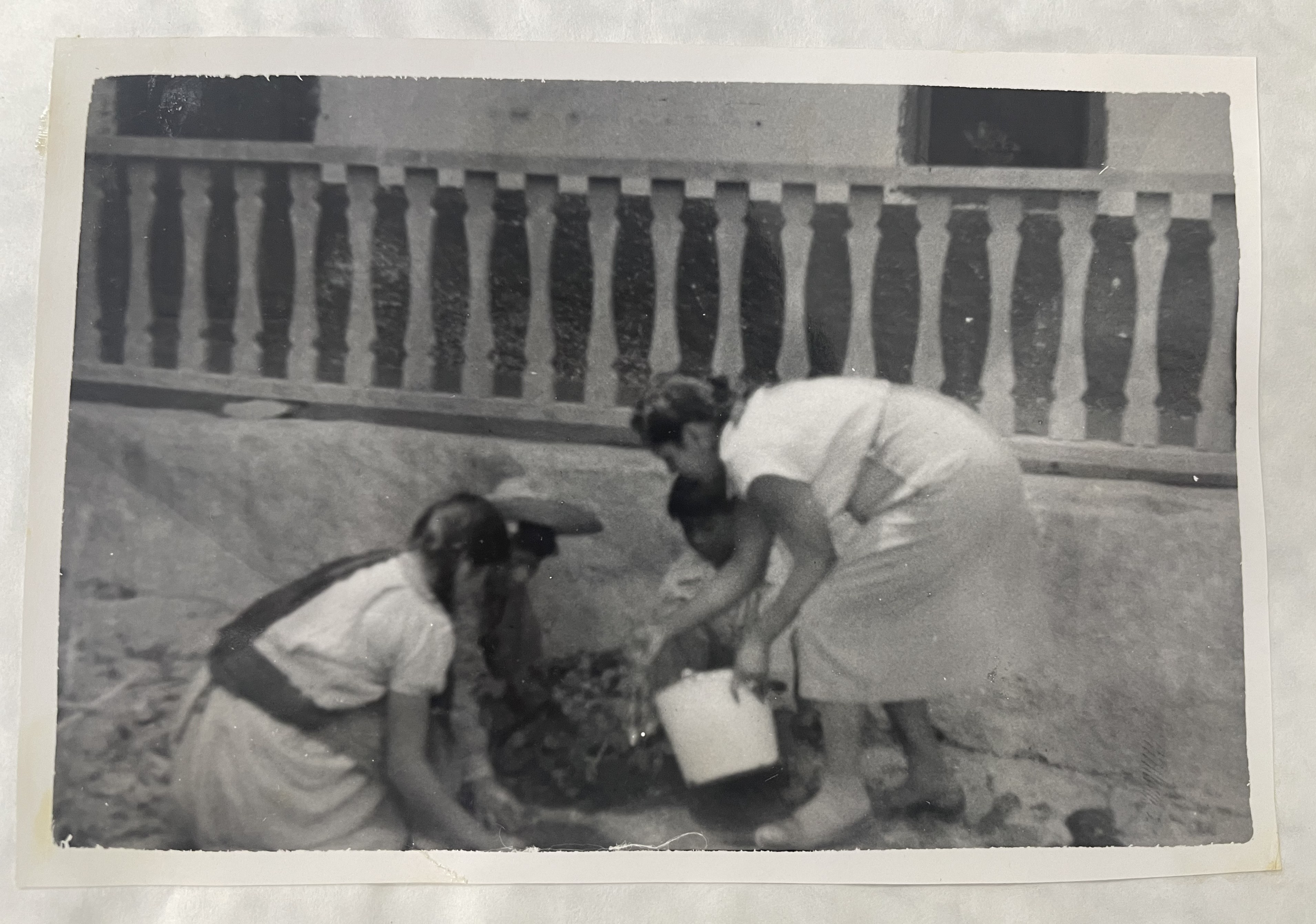
As part of the doctoral follow-ups for the 2025-2026 academic year, experts in the history of science in Latin America, Gisela Mateos and Stefan Pohl-Valero, share their work and talk with students and other attendees.
Gisela Mateos / The CREFAL project (Regional Center for Fundamental Education for Latin America) between 1952 and 1970
The Regional Center for Fundamental Education for Latin America (CREFAL), established in 1950 in Pátzcuaro, Michoacán, Mexico, promoted the training of Latin American teachers in educational practices related to basic health topics to eradicate "curable" diseases associated with "lack of hygiene," such as lice and typhus, among others. In doing so, CREFAL became a transnational hub for the development of networks of rural teachers, rural doctors, and nurses from Latin American countries, the Caribbean, the United States, and Southeast Asia. Immersed in the discourse of development and faced with the extreme poverty of rural communities, many of them interpreted fundamental education as a project for social change and, in some cases, such as the La Mina Experimental School Center in Uruguay, as initiatives that led to socialist experiments in various locations. Some of these teachers later worked at CREFAL itself and as experts at UNESCO, thus extending some of these practices and interpretations to those institutions.
Gisela Mateos holds a degree in physics (UNAM) and a doctorate in the history of science (UAB). Since 2003, she has worked at the Center for Interdisciplinary Research in Sciences and Humanities at UNAM. Her research focuses on the history of 20th-century physics during the Cold War and on the material culture of physics. In particular, she has studied Mexico's entry into the nuclear age during the decades of rapid development.
Stefan Pohl-Valero / Local genealogies of international technical assistance
Efforts made by Latin American states to promote rural development, beginning in the 1930s, provided valuable knowledge, experiences, and methodologies that were fundamental for the global deployment of community development after World War II. This international development technique was based on small-scale, horizontal, and participatory strategies to raise the living standards of poor populations and was widely used by bilateral and multilateral technical assistance agencies during the 1950s and 1960s. We will follow the institutional trajectories (local and international) of some of the local experts involved in these programs of rural development and their influence on two specific agencies for technical assistance in the fields of health, agriculture, and education in the early 1950s: the Institute of Inter-American Affairs and UNESCO. The community programs carried out by these agencies must then be seen as the result of multiple transnational trajectories of development. Furthermore, we take this opportunity to present a historiographical discussion on science, the Cold War, and developmentalism, along with some reflections on local and international archives and their interconnections. (Further information about this work: "State, experts, and rural development in Colombia, 1930–50. A local genealogy of international community development", History of Science, 2026)
Stefan Pohl-Valero is associate professor of History of Science in the School of Medicine and Health Sciences at the Universidad del Rosario in Bogotá. His research focuses on the relationships between health and food experts, the state and international institutions in Latin America.
Teams link for online participation.