Dorian Groll: Does remote sensing have politics? The development of Earth Observation within the European Commission
Event details
- Start: 01 June 2026 14:30
- End: 01 June 2026 16:00
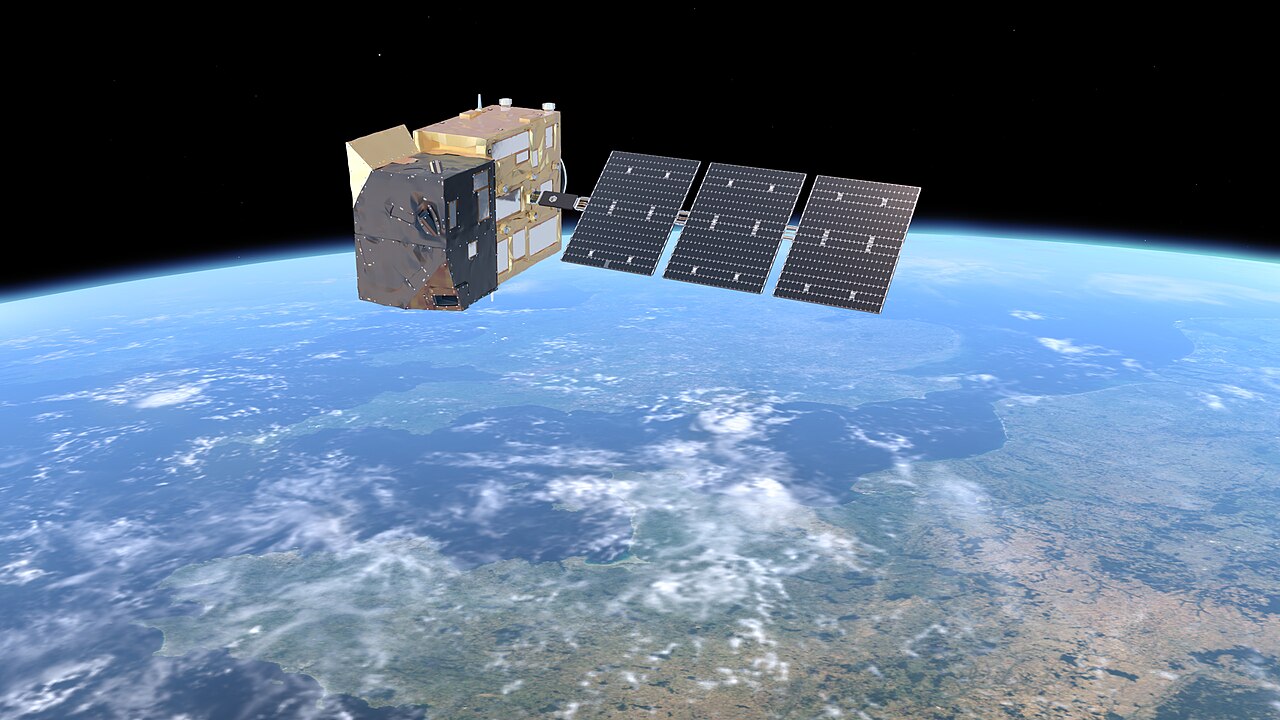
With Copernicus, "Europe's eyes on Earth", the European Union has developed and maintained a series on remote and "in situ" infrastructures to turn many dimensions of our environment into data. This programme is based on a long history of developing Earth Observation as a "for-policy" science that emerged together with the first environmental actions plans and research programmes in the early 1970s. Today, the various services of Copernicus result in very heterogeneous uses within the EU, but its use for direct environmental policy remains less developed.
This presentation will look back on the development of remote sensing within the Commission and question what is often framed as a lack of "user outreach" towards environmental policy-makers.
Dorian Groll is a PhD student (EHESS) working on the development of remote sensing in Europe for environmental policies from a socio-historical perspective. His research is based on archival analysis (mainly from the European Commission and the European Space Agency) as well as ethnographic case studies of the engineers and scientists working on Copernicus, the EU's Earth Observation programme.
Link to join the talk: https://meet.jit.si/moderated/f2c8a5df081394c09276d8dacdf78916fbd3acde25acbac01b6339f5cbc12032
This activity is part of the CLIMASAT ERC-StG project's series of seminars on "Data, satellites and environment".