Connected histories of science, technocolonialism and memory
Event details
- Start: 06 Mar 2026 10:00
- End: 06 Mar 2026 14:00
- iHC Seminars room
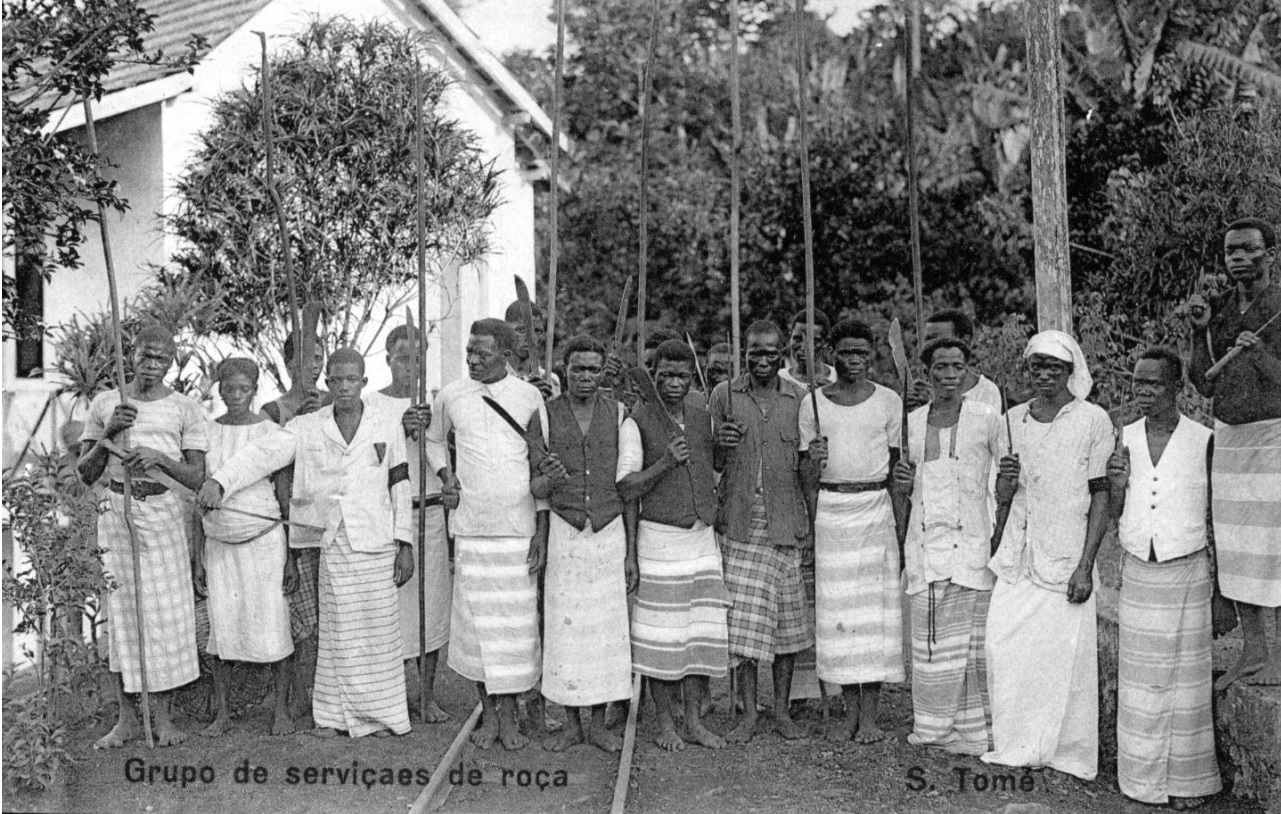
This is the second edition of the “Workshop on colonialism, coloniality and the circulation of knowledge”, a space to promote social and historiographical debates on the interactions between science and colony, between knowledge and colonialism, and between scientific production and the production of coloniality.
This year, the workshop will focus on some of the most vibrant currents developed on the other side of the Iberian Peninsula, in Portugal. These currents have addressed the intersections between animal and human history, between the history of labor and hunger, and between environmental history and colonial science.
The speakers will delve into the "connected histories" of knowledge, which teach us something more than linear, hierarchical, and static "metropolis-colony" relationships. How can we follow the steps of plantation agronomists, managers of international institutions, slave traders, or racialized workers? How can we track the circulation of everyday technoscientific organisms like cocoa beans, cows, and bacteria across disparate geographies such as São Tomé, the Belgian Congo, and Mozambique?
On the other hand, we will have presentations on the memory of colonial history being carried out in the Barcelona area. Specifically, we will discuss the relationships between museums, science, and coloniality, a topic that has been very present in academic and public debate in Portugal (and elsewhere) in the difficult task of decolonizing museums.
Ultimately, these sessions aim to trigger ways of overcoming ignorance about the colonial past: promoting research networks at the Iberian level and introducing theoretical debates that have been largely overlooked in our country—and which are now gaining momentum in multiple spaces, including the streets.
Coordination: Anyely Marín Cisneros, Yvonne R. Ramírez, Jaume A. Valentines
PROGRAMME
10:00-11:30: Researches in dialogue: Science, coloniality and museums
Anyely Marín Cisneros (investigadora independent)El Museu Marítim de Barcelona, la colonialitat i els públics.
Yvonne R. Ramírez Corredor (investigadora independent)Un traje nuevo para viejos conceptos: El Museo Etnológico de Barcelona entre el franquismo y la democracia (1973-1992).
Matilde Carbajo Usano (UPF)«Al cuidado de un mozo algo inteligente en su manejo»: La botica jesuita en las Islas Marianas tras la expulsión de la Compañía de Jesús (1769).
11:30-12:00: Break
12:00-13:30: Views from the historiography of Portuguese colonialism
Barbara Direito (IHC, Universidade Nova de Lisboa)The more than human in the plantation: Animals, environment and knowledge in Mozambique, 19th-20th centuries.
Marta Macedo (IHC, Universidade Nova de Lisboa)Cocoa and Coercion: Connected Histories of São Tomé plantations.
13:30-14:00 Final debate