News
News
All the news
The Coves del Fem provide crucial new evidence of the transition from the last hunter-gatherers to early farming communities
14 07 2026
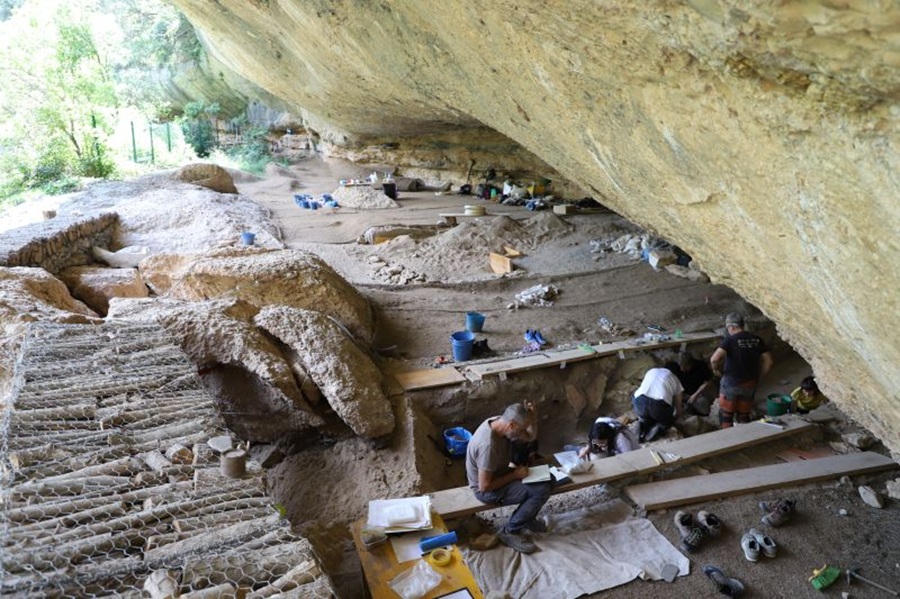
Archaeological work carried out at the Coves del Fem (Ulldemolins, Priorat)—located within the Serra de Montsant Natural Park—between 30 May and 28 June 2026, has yielded new evidence of exceptional interest for understanding the prehistory of the northeastern Iberian Peninsula. The campaign was conducted by a team of researchers from the Department of Prehistory at the Universitat Autònoma de Barcelona (UAB) and the Milà i Fontanals Institution for Research in the Humanities of the Spanish National Research Council (CSIC-IMF), with the support of the Ulldemolins Town Council and the Serra de Montsant Natural Park, as part of the four-year archaeology projects of the Catalan Ministry for Culture.
Participation in Campus Ítaca grows in this new edition, starting on 25 June
18 06 2026
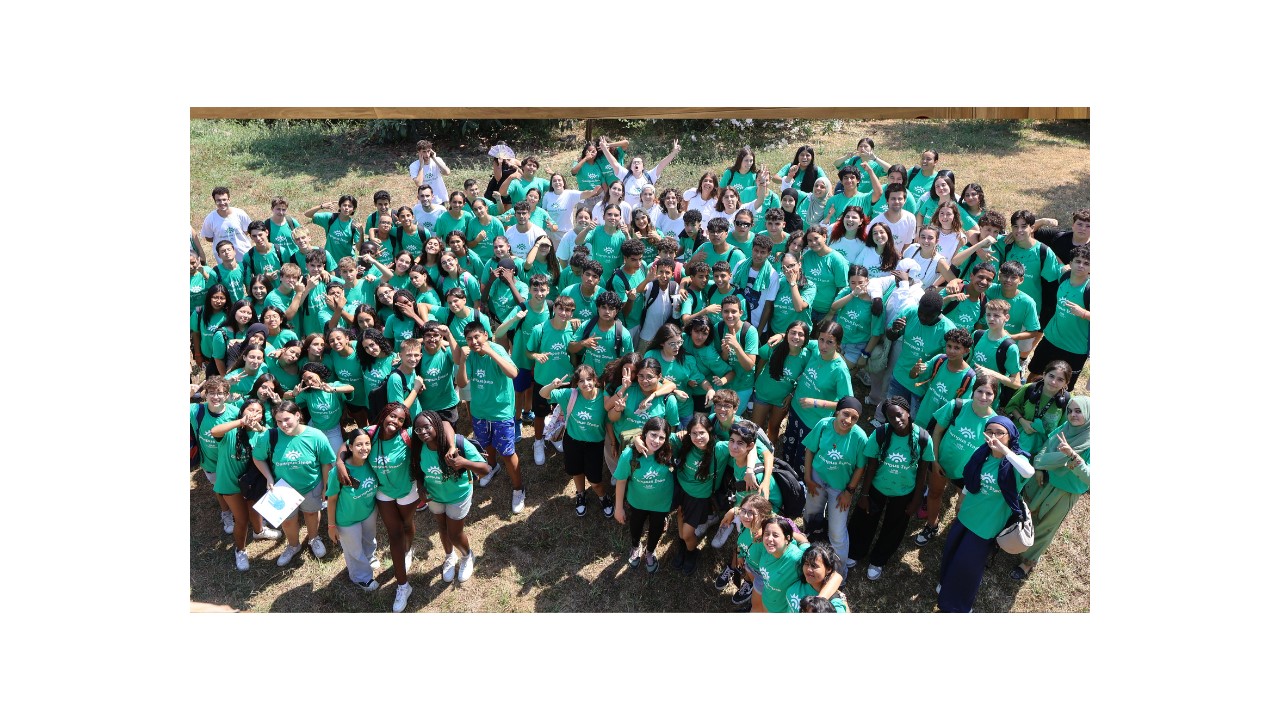
Campus Ítaca, the socio-educational programme of the Universitat Autònoma de Barcelona for secondary school students, will once again be held in two shifts: from 25 June to 3 July, and from 7 to 15 July.
Radiocarbon dating confirms 10,000 years of continuous human occupation in the Pyrenees
16 06 2026
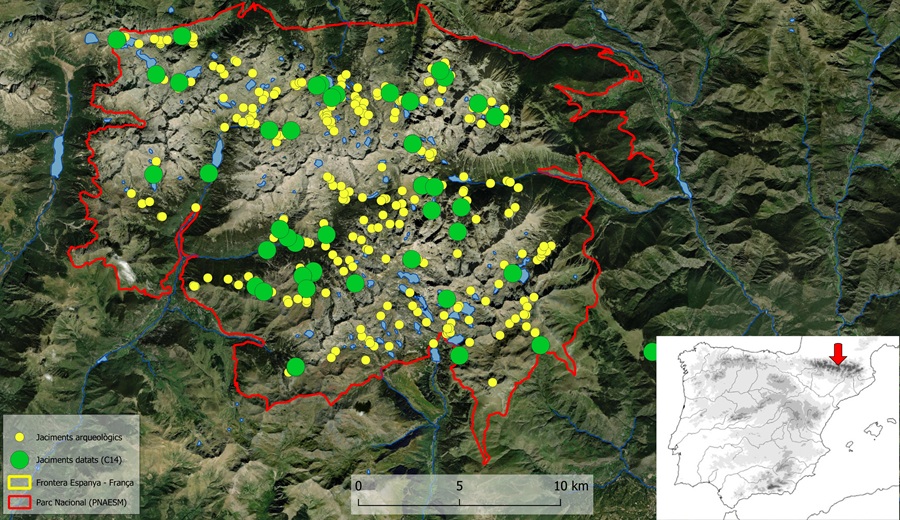
Researchers from the UAB have created an open database with 124 carbon-14 dated samples that have made it possible to construct the chronological sequence of 380 sites located in the Aigüestortes i Estany de Sant Maurici National Park. The evidence confirms continuous human occupation for several thousand years in sites found at more than 2,000 metres.
Neanderthals gathered shellfish using the same strategies as modern humans
19 05 2026
Neanderthal populations in southern Europe collected shellfish throughout the year, with a marked preference for the colder months, according to a new international study led by researchers from ICTA-UAB, the IsoTOPIK Lab at the University of Burgos (UBU), and the Instituto Internacional de Investigaciones Prehistóricas de Cantabria at the University of Cantabria (UC).
Virtual reality and serious video games to explain Roca dels Bous and the Neanderthals living there 50,000 years ago
08 05 2026
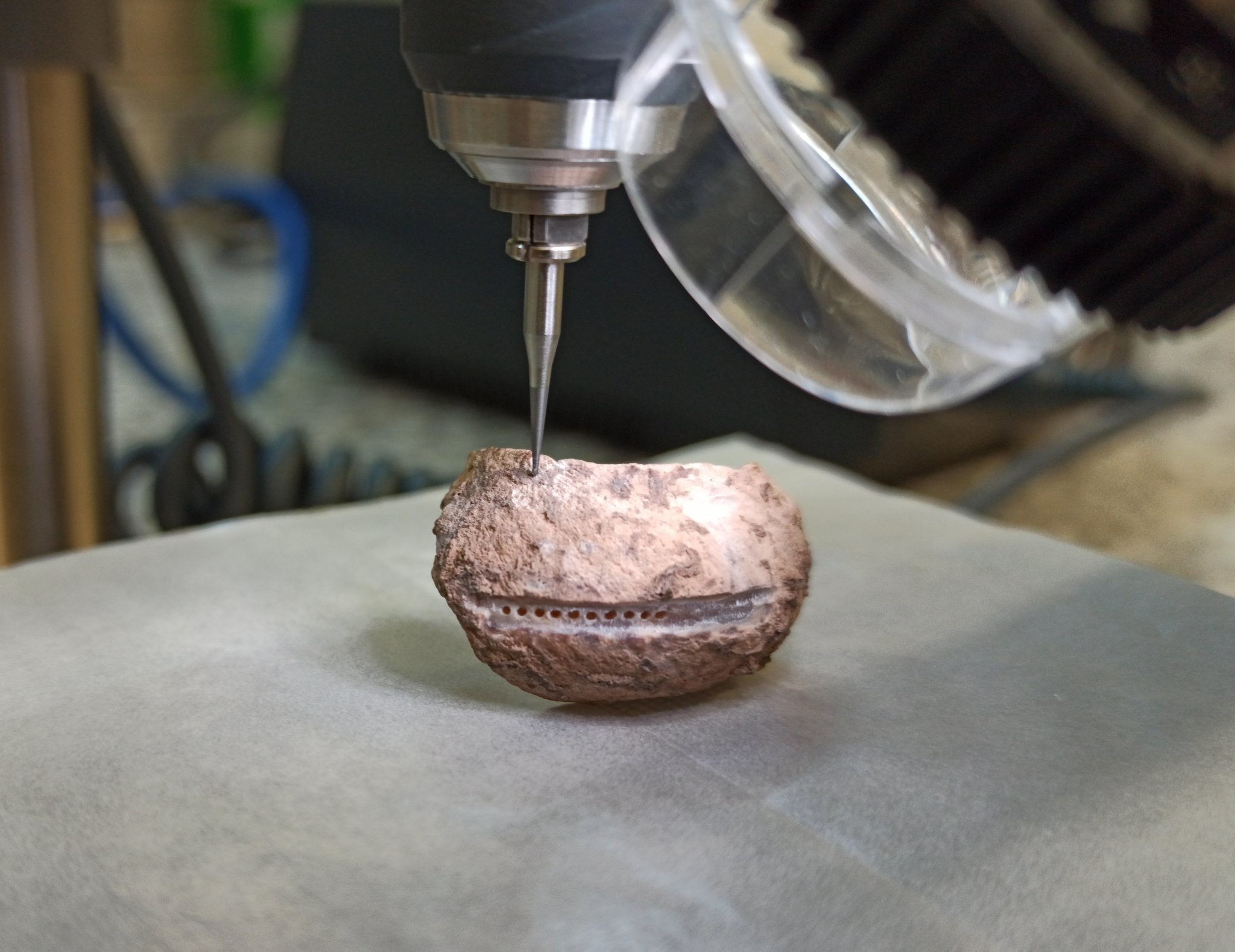
The UAB presents Roca dels Bous Immersive, a new model for visitors that integrates scientific discoveries with hyperrealistic and interactive technology and makes the archaeological heritage of this site more accessible, understandable and attractive for everyone.

Above 2,000 meters: Cova 338 redefines Pyrenean prehistory
05 05 2026
A research team led by the Universitat Autònoma de Barcelona and IPHES-CERCA documents in Cave 338, located at 2,235 meters above sea level in the Núria Valley, recurrent human occupations spanning more than 5,000 years and provides some of the earliest evidence of copper-rich mineral exploitation in Western Europe.

New study expands the frontiers of Iberian severed head ritual
04 02 2026
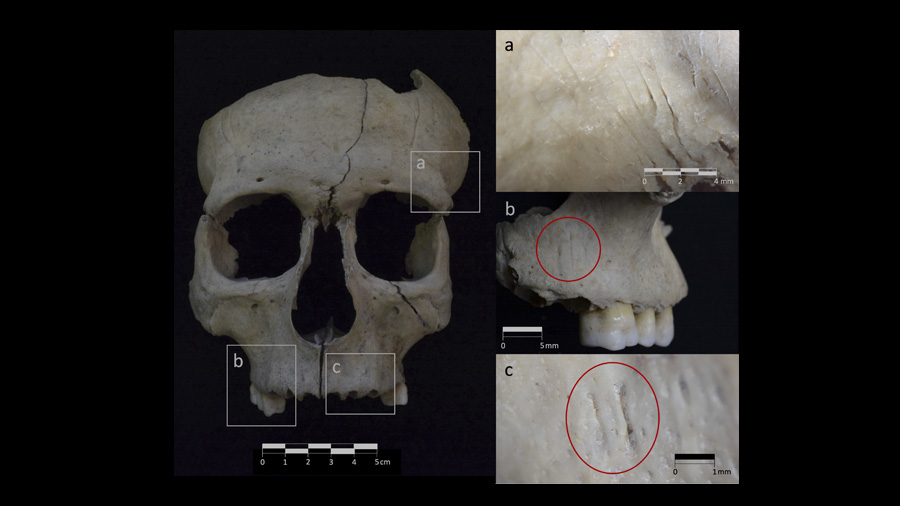
The study of skull fragments from the Olèrdola (Olèrdola, Barcelona) and Molí d'Espígol (Tornabous, Lleida) sites has provided new evidence that would allow the ritual of "severed heads" from the northeast of the Iberian Peninsula to be located, for the first time, among the Iberian groups of Cessetani and Ilergetes. The discovery, led by UAB researchers, allows the southern border of this practice, traditionally associated with the Indigetes and Laietani who lived north of the Llobregat River, to be expanded.
New book explores the social, symbolical and material importance of navigation in prehistoric communities
22 01 2026
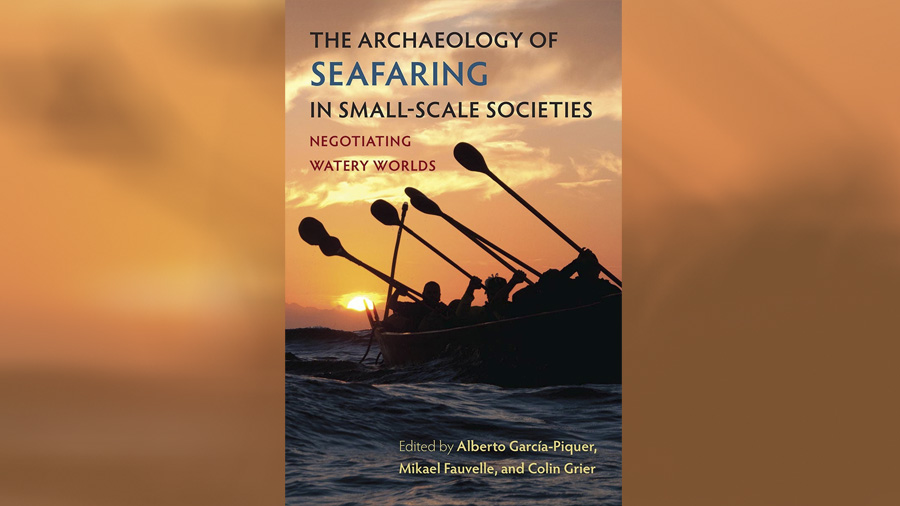
Alberto García Piquer, researcher at the Department of Prehistory, is autor and co-editor of the book The Archaeology of Seafaring in Small-Scale Societies. The book explores through numerous examples the development of maritime technology and how the availability of canoes and small boats became a key element of livelihood and social transformation in many parts of the world. Published by the University Press of Florida, it is available in an open access edition with the support of Lund University, Sweden.
Whale hunting in South America began 5,000 years ago, a millennium earlier than previously thought
09 01 2026
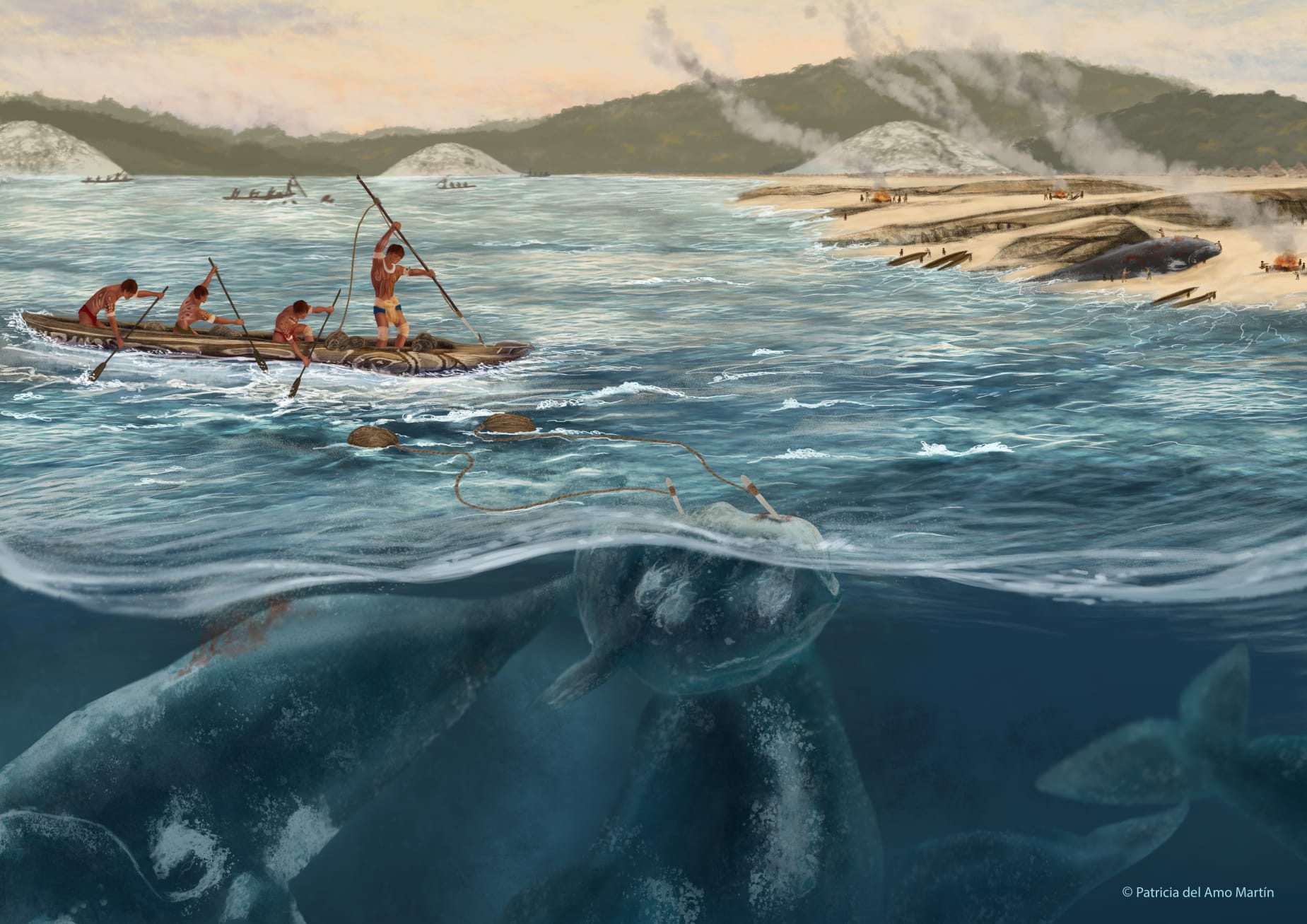
The hunting of large whales goes back much further in time than previously thought. New research from ICTA-UAB and the Department of Prehistory of the UAB reveals that Indigenous communities in southern Brazil were hunting large cetaceans 5,000 years ago, around a thousand years before the earliest documented evidence from Arctic and North Pacific societies.
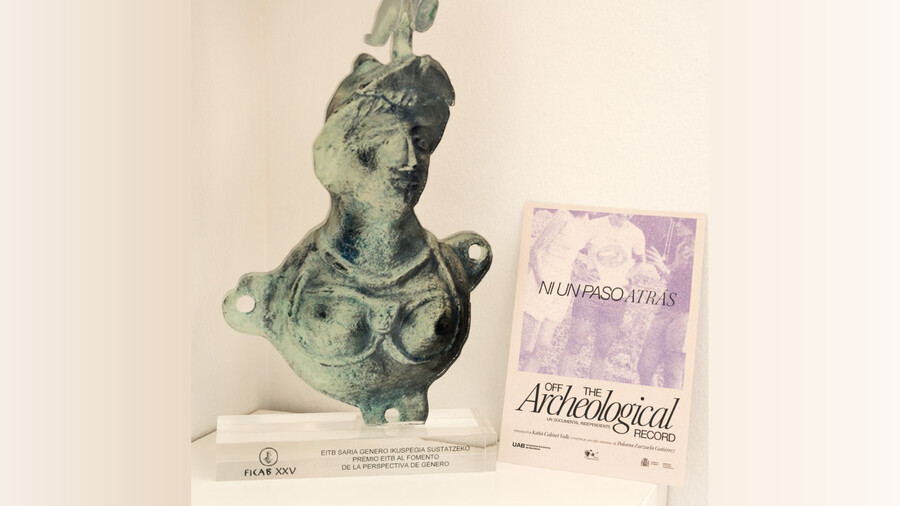
The documentary "Off the Archeological Record" awarded at the FICAB 2025
25 11 2025
The documentary Off the Archeological Record, produced by the UAB and the Pastwomen network, received the EITB Award for gender perspective in the 25th edition of the recently held International Archaeological Film Festival of the Bidasoa (FICAB). The jury awarded the film for its detailed treatment of the experiences of several generations of women archaeologists.