
News
Current news
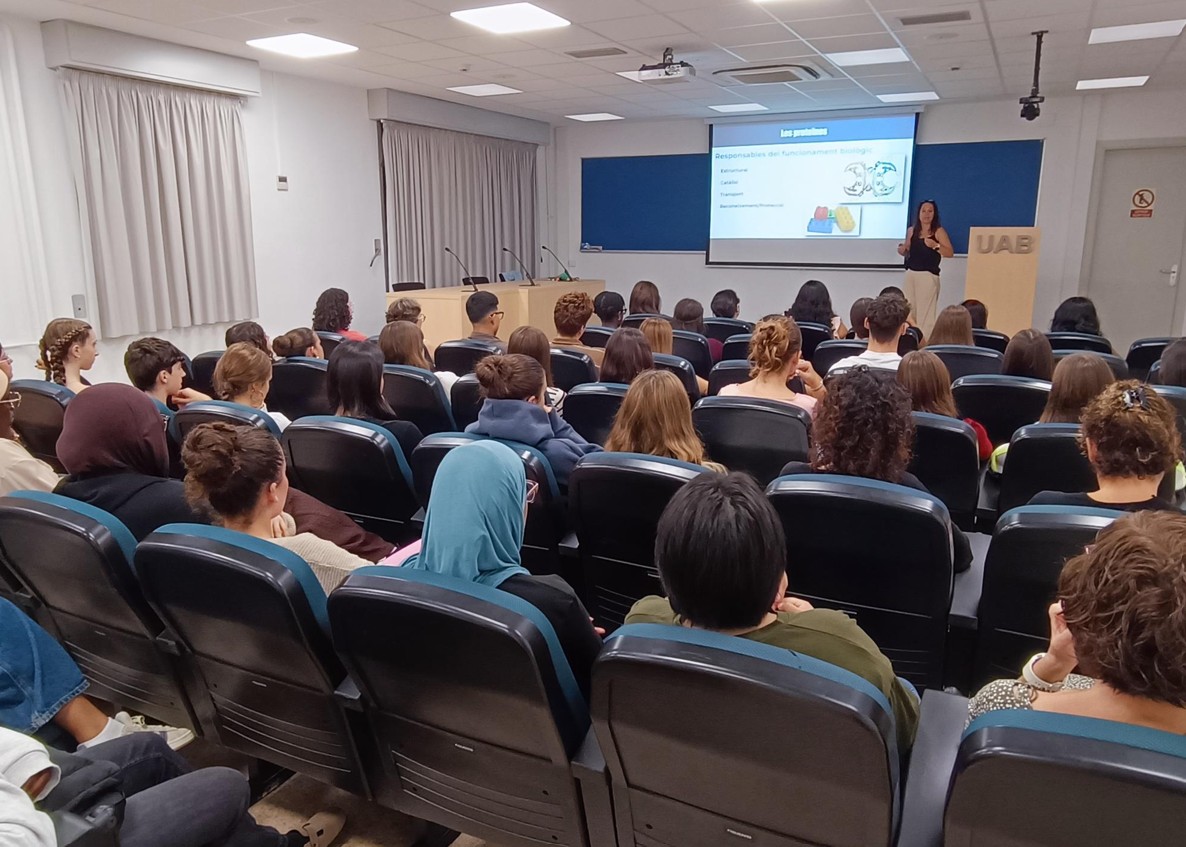
The IBB brings microbiology and Parkinson’s disease research closer to high school students at the outreach activity «Matí de la Recerca»
08 10 2026
The researchers Irantzu Pallarès and Daniel Yero took part in the activities organised by the Faculty of Biosciences as part of the European Researchers’ Night.
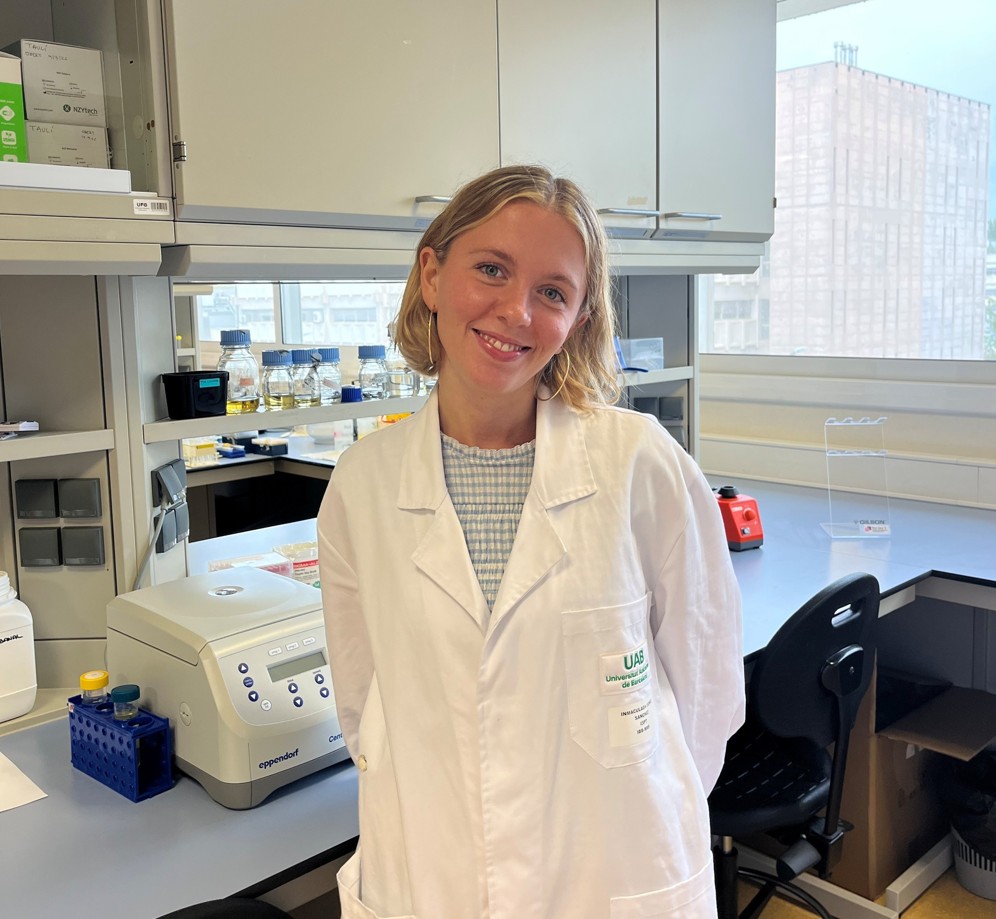
The Bacterial Blood Pathogens Group reinforces its collaboration with LABAQUA through an Industrial PhD
01 10 2026
The research, focused on the surveillance of pathogens and antimicrobial resistance in hospital wastewater, is part of the European project LIFE GENESYS.
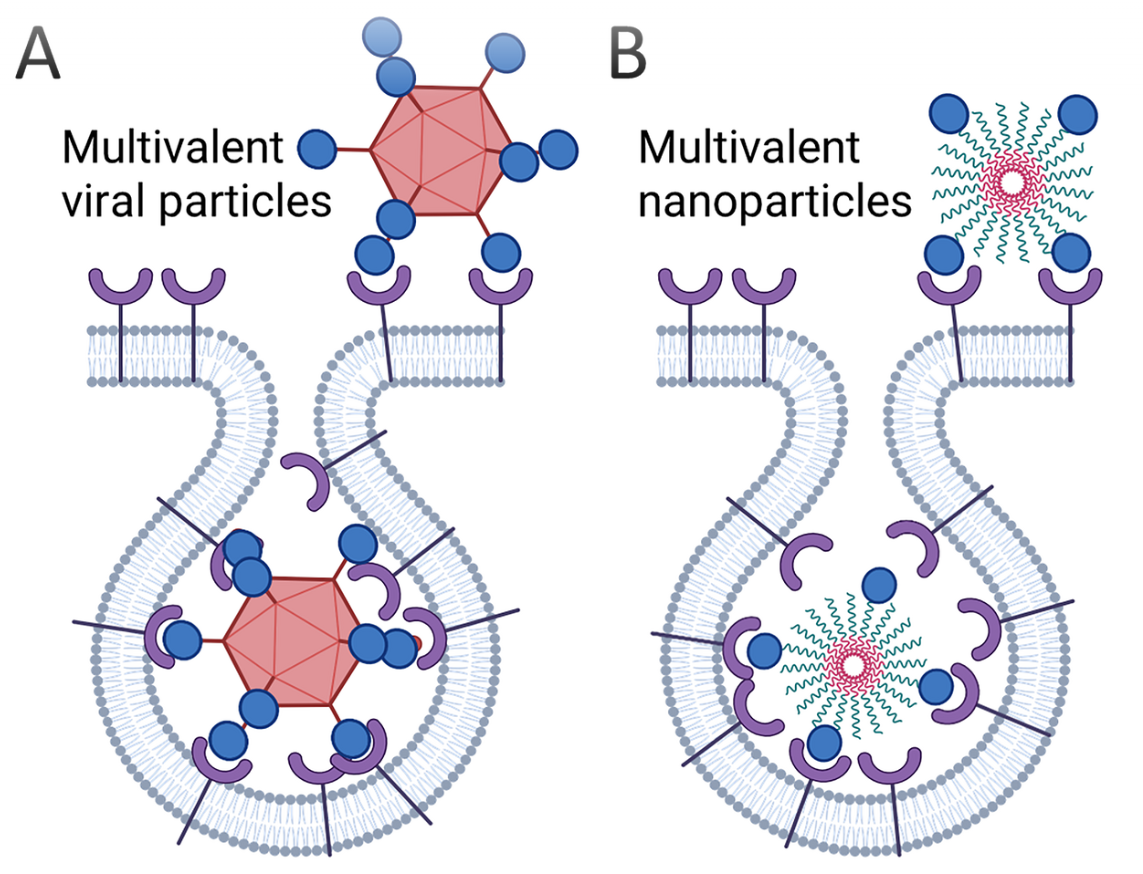
New article: “Super‐Selectivity versus Affinity‐Driven Targeting in Oncological Nanomedicine”
18 09 2026
Research group: Nanobiotechnology
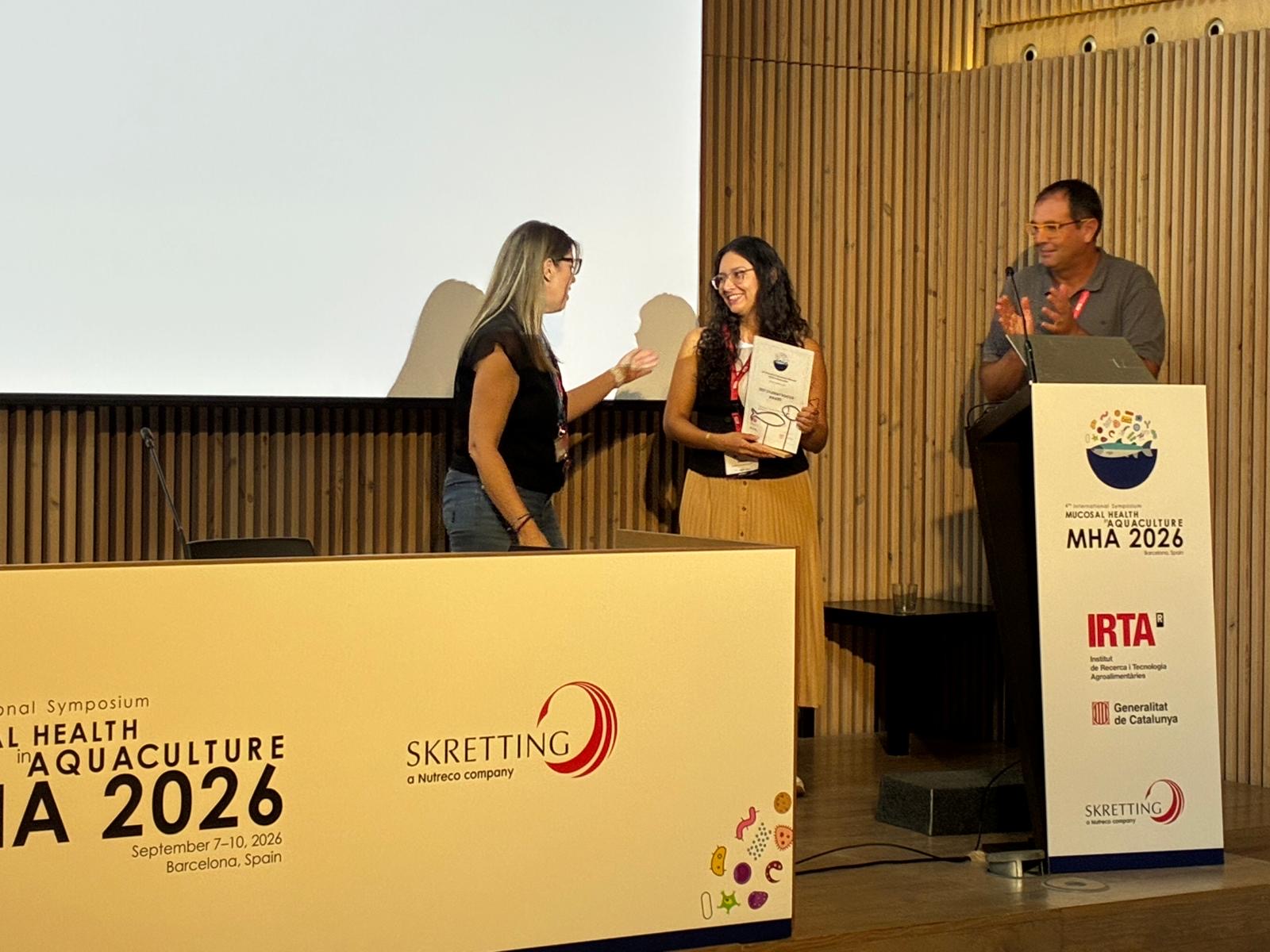
Marlid Garcia receives the Best Poster Award at the 4th International Symposium Mucosal Health in Aquaculture
15 09 2026
The researcher from the IBB-UAB Evolutive Immunology Group has been recognised for her scientific contribution to mucosal health in aquaculture
New article: “The hidden consequences of marine heatwaves: rising Vibrio risk in European coastal waters”
04 09 2026
Research group: EDGE Lab
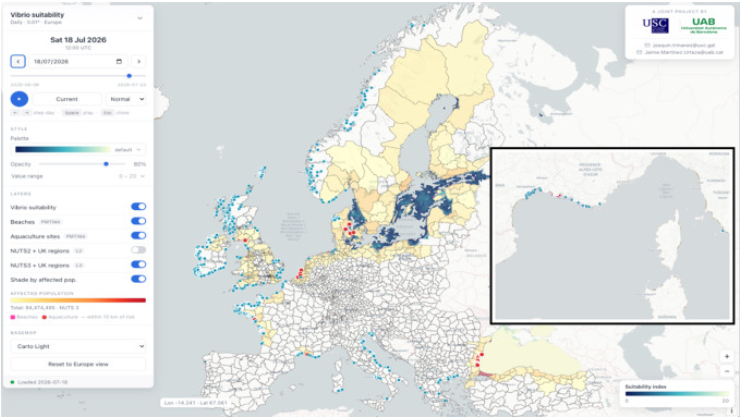
THE EDGE LAB Research Group, led by Jaime Martinez Urtaza, joins the IBB
03 09 2026
The Professor of Genetics will strengthen the institute's research into the impact of climate change on the evolution and dispersal of human pathogens

Synthetic Biology Group Wins Best Poster Award at the 15th International Symposium on Lactic Acid Bacteria
28 08 2026
The Lac2Brain project, led by Maria Lluch Senar and with Raul Burgos Castellanos as the first author listed on the poster, explores the engineering of gut bacteria for the treatment of brain cancer.

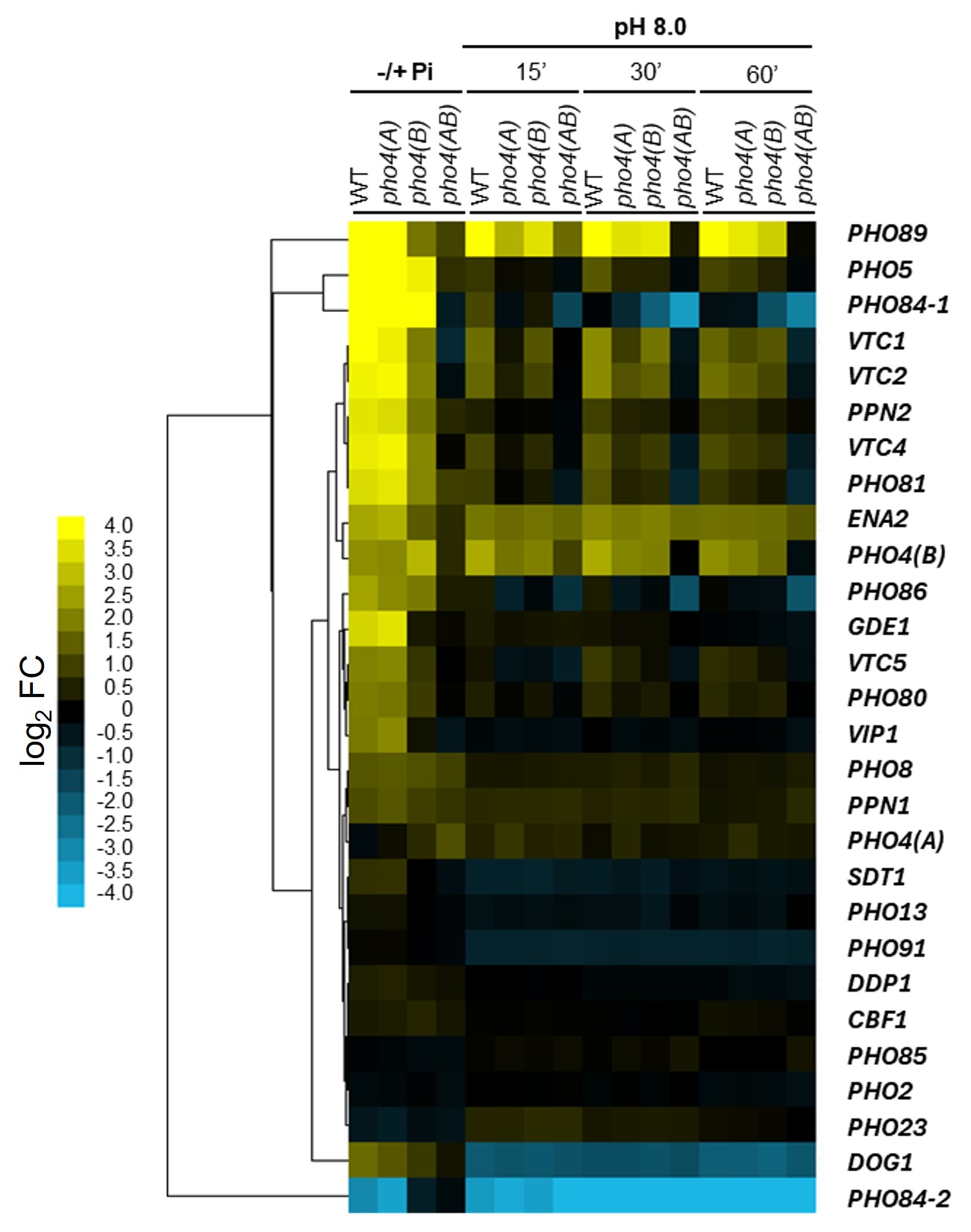
The Dual Role of Pho4 in the Environmental Stress Adaptation of Komagataella phaffii a l'estrès ambiental
30 07 2026
The study identifies two Pho4 transcription factors with complementary functions
New article: “Databases of liquid–liquid phase separation proteins and condensates”
28 07 2026
Research group: Protein Folding and Conformational Diseases
New article: “Peptideins: Navigating the gray zone of the proteome”
21 07 2026
Research group: Protein Folding and Conformational Diseases
