
New article: “Passive immunotherapy for Parkinson's disease in 2025: Status and perspective”
Research group: Protein Folding and Conformational Diseases
Abstract:
Parkinson’s disease (PD) is the second most common neurodegenerative disorder after Alzheimer’s disease, characterized by heterogeneous motor symptoms (bradykinesia, resting tremor, rigidity, and postural instability) and a wide spectrum of nonmotor manifestations including anosmia, sleep disturbances, mood disorders, and cognitive decline. Progressive neurodegeneration in PD markedly reduces quality of life and leads to long‑term disability and caregiver dependence.
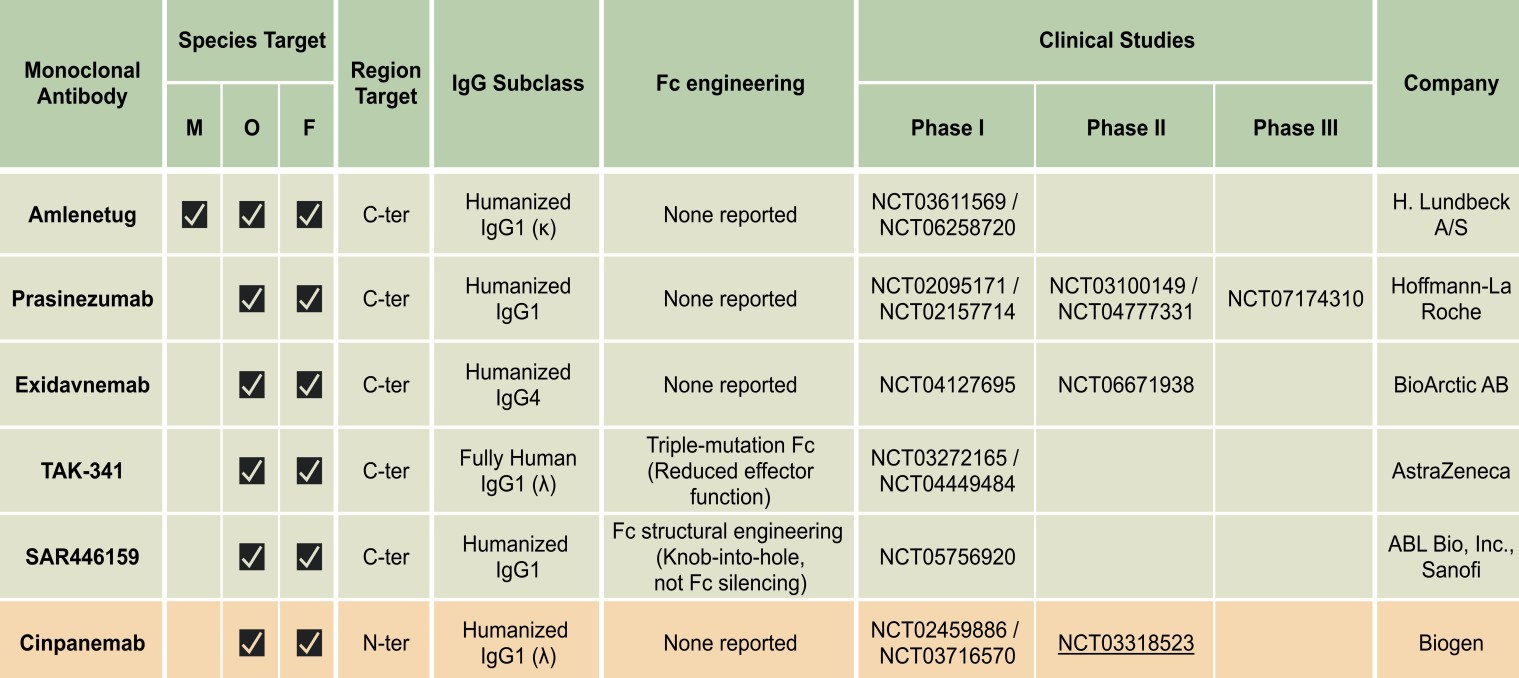
The group reviews the current status of passive immunotherapy in Parkinson’s disease, focusing on antibodies targeting α-synuclein to limit its aggregation and pathological spread. They also analyze recent clinical results, highlighting that although safety and biological activity have been demonstrated, clear clinical benefit has not yet been proven. Finally, they discuss key future challenges, such as early detection, biomarkers, and improved trial design to achieve disease-modifying therapies.
Article data:
Alba González-Artero, Oriol Bárcenas, Jordi Pujols, Salvador Ventura. Passive immunotherapy for Parkinson's disease in 2025: Status and perspective. Neural Regeneration Research (2026). https://doi.org/10.4103/NRR.NRR-D-25-01792
The UAB, with the Sustainable Development Goals
-
 Good health and well-being