Newsroom
Search results
Showing matches with:
The XIII Cajal Conference brings together the neuroscience community in Cádiz
22 04 2026
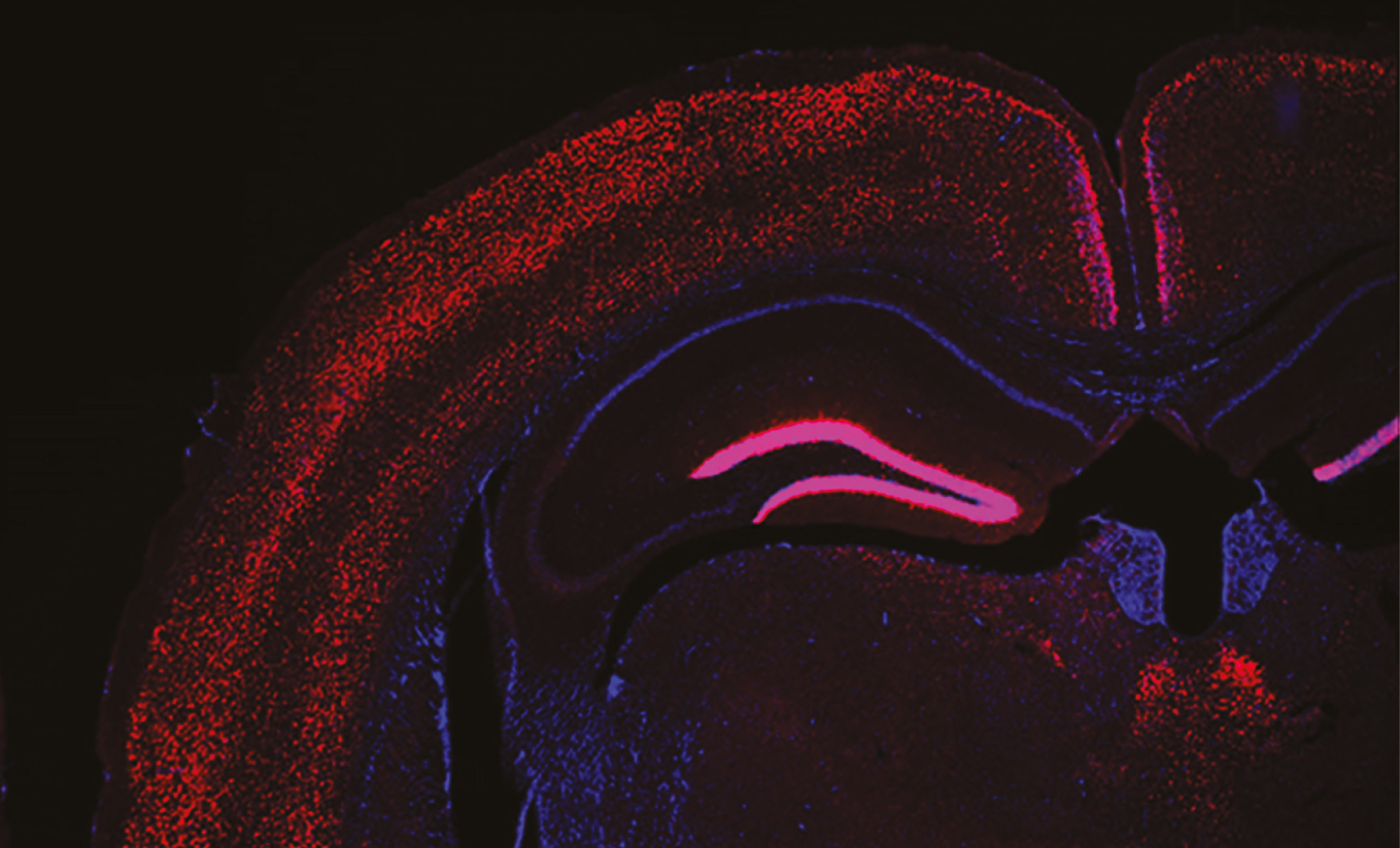
The 13th edition of the Cajal Conference 2026, organized by the Sociedad Española de Neurociencia, was held last week in Cádiz. The meeting, which included members of the Institute on the organizing committee, served to share advances, foster scientific debate, and promote new collaborations within the neuroscience community.

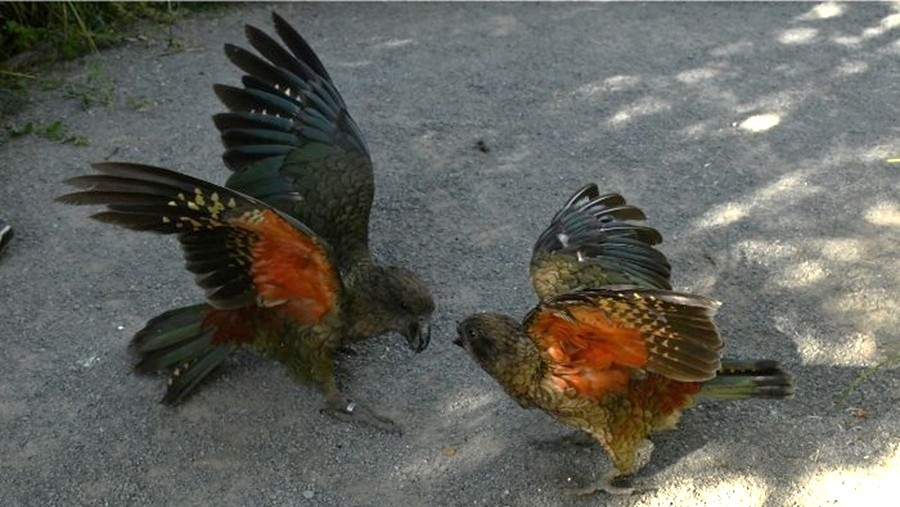
A disabled kea parrot is the alpha male of his group
20 04 2026
A study by the University of Canterbury, in collaboration with the Institute, reveals how a disabled kea without an upper beak became the dominant male in his group through a unique fighting strategy.
UAB compound designated orphan drug to advance towards a new treatment for spinal cord injury
24 03 2026
The European Medicines Agency (EMA) has designated as an orphan drug a compound based on the bioactive lipid molecule Maresin-1 (MaR1), currently being investigated by a research team from the UAB for the treatment of spinal cord injuries.
Apply for MSCA Postdoctoral Fellowship
09 03 2026
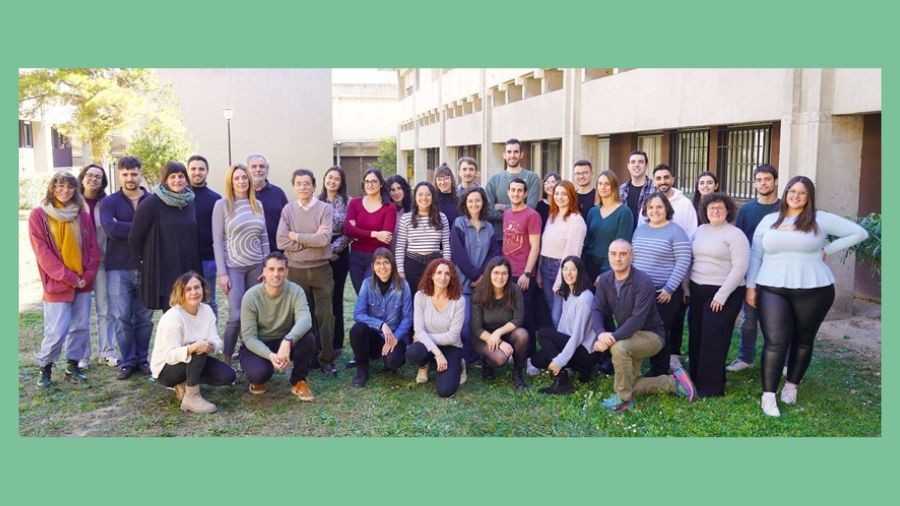
Different research groups at the Institute are seeking a highly motivated fellow to apply for the Marie Skłodowska-Curie Actions European Postdoctoral Fellowship (EPF) 2026.

A bioadhesive patch inspired by mussel adhesion eliminates cells from the most aggressive brain tumor
06 02 2026
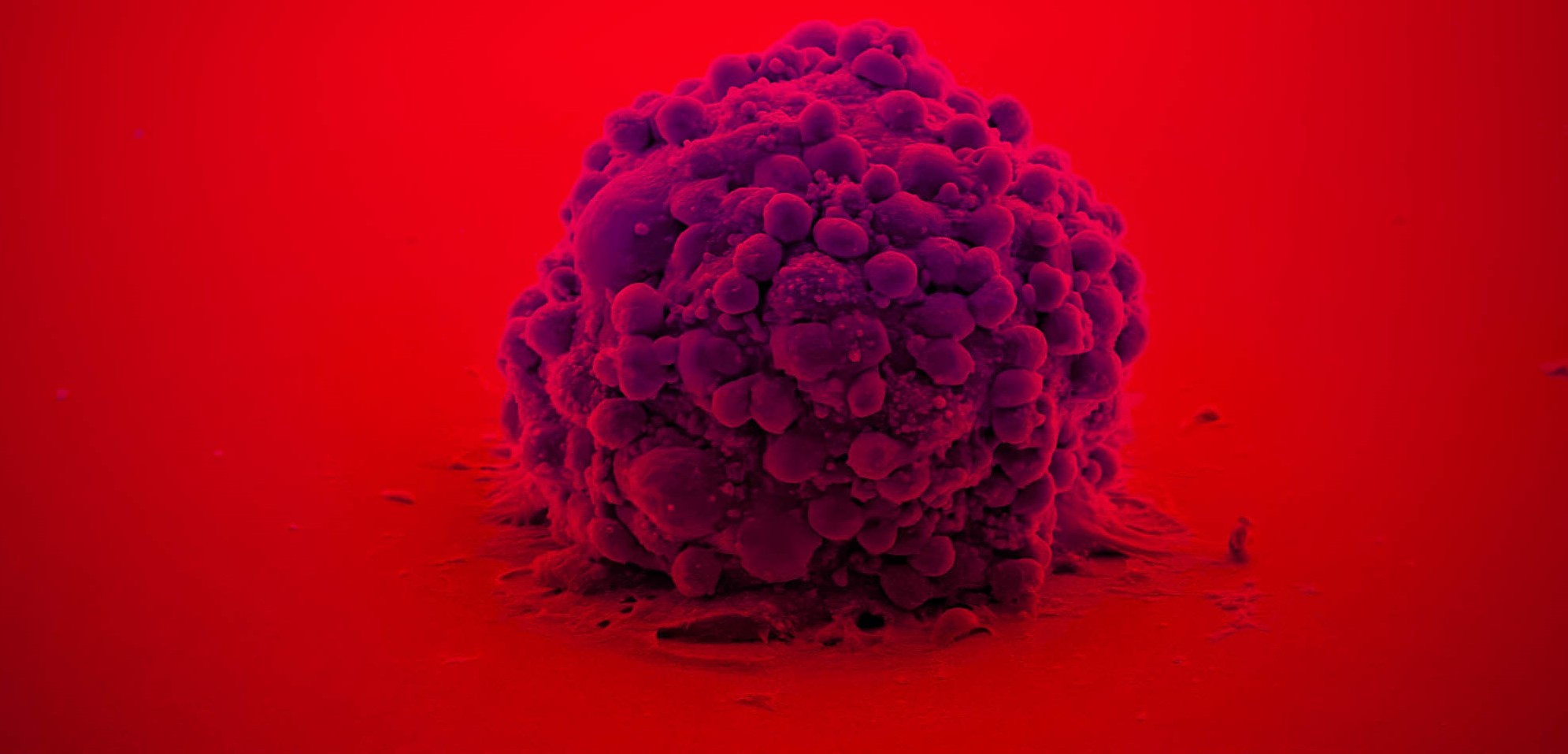
A study coordinated by the Institut de Neurociències of the Universitat Autònoma de Barcelona proposes a new treatment for glioblastoma, the most aggressive brain tumor. The approach involves patches tested in cell cultures and in excised pig brains that induce a high level of cellular oxidation in a local and controlled manner, thereby minimizing potential systemic side effects. Read the article
Immunotherapy could prevent the loss of neurons in Parkinson's disease
02 02 2026
By analyzing tissue from patients with Parkinson’s disease, and animal and cellular models of the disease, a research team led by Dr Carlos Barcia has shown that the main immune cells of the brain become reactive and overexpress certain receptors that promote the elimination of dopaminergic neurons, even when these neurons are still functional. The study points to a new immunotherapy approach that could help preserve viable neurons in people with this diagnosis.. Read the article
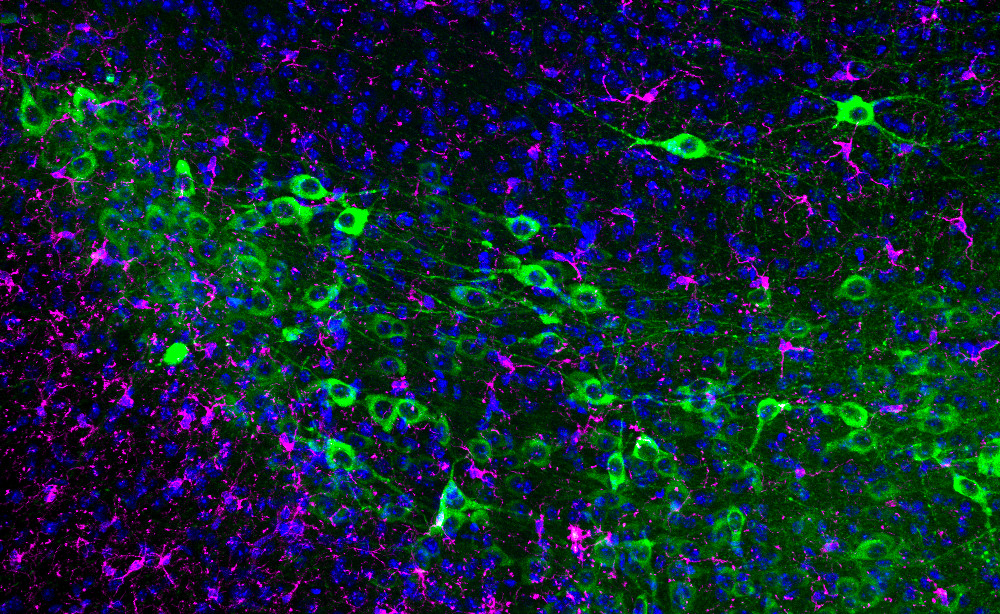
A study published in Nature, involving Dr. Lizcano's laboratory, reveals the mechanism by which polyamines guide cellular decisions
14 01 2026
The work reveals that these metabolites bind to specific protein domains and act as a shield against modifications to their structure.
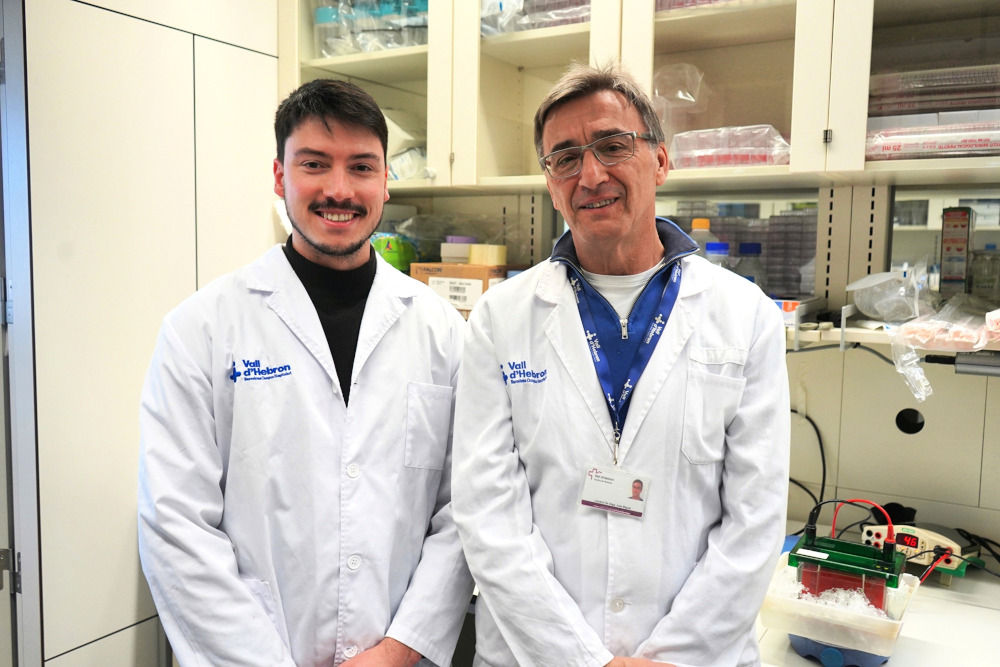
Eight projects led by Institute researchers, selected to receive funding from the Generación de Conocimiento 2024
27 11 2025
Eight projects led by researchers from the Institute have been selected to receive funding from the Generación de Conocimiento 2024 program of the Spanish State Research Agency (AEI), the Ministry of Science and Innovation (MICINN), and the European Regional Development Fund (ERDF).
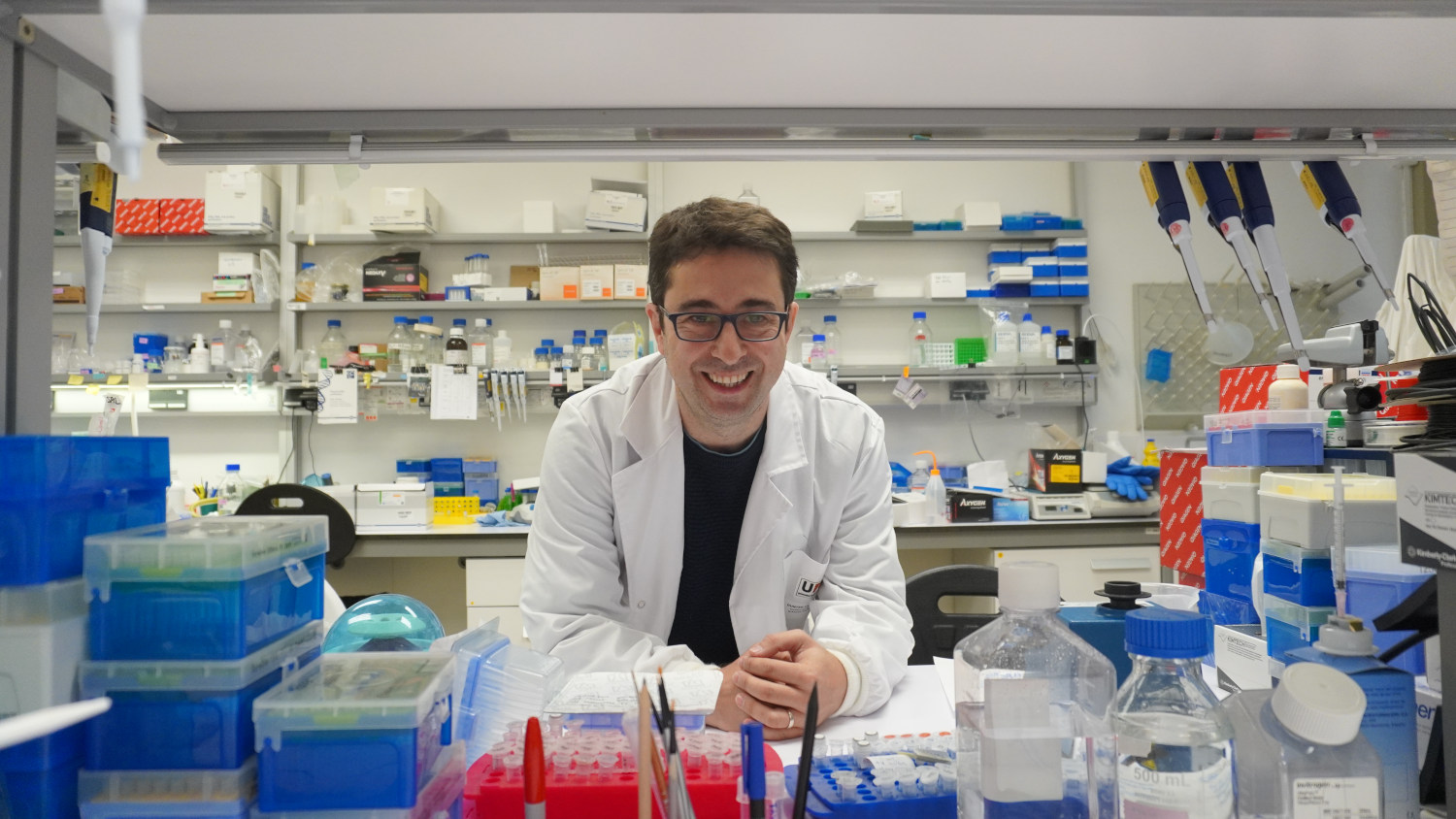
An Institute Project Recognized in the 2025 Health Research Call by the La Caixa Foundation
20 11 2025
Led by Dr. Albert Quintana, the project proposes an innovative approach to improve the treatment of mitochondrial diseases.
Mitochondrial epilepsy could originate in a specific group of brain neurons
27 10 2025
A team led by Dr Albert Quintana has for the first time identified the mechanism behind a potentially fatal type of epilepsy, a symptom of mitochondrial diseases. The discovery, based on mice models, challenges the traditional idea that these disorders are caused by a generalised energy deficiency and instead reveals a precise disfunction in specific brain circuits.