Newsroom
Search results
Showing matches with:
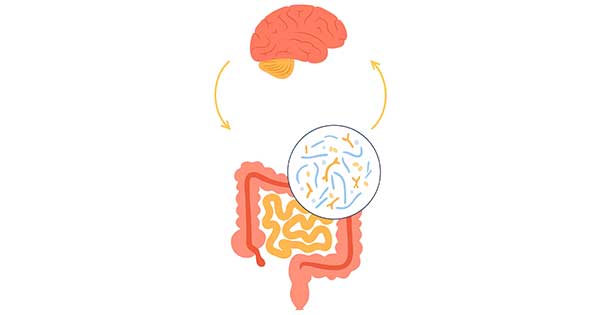
A study led by Dr. Elena Martín-Garcia links gut microbiota to a predisposition for developing food addiction
30 10 2024
The research, published in the journal Gut, associates the presence of certain types of bacteria within the gut microbiome with an increased risk of this disorder. Read the article
The III Workshop in Traslational Neuroscience has been held
29 10 2024
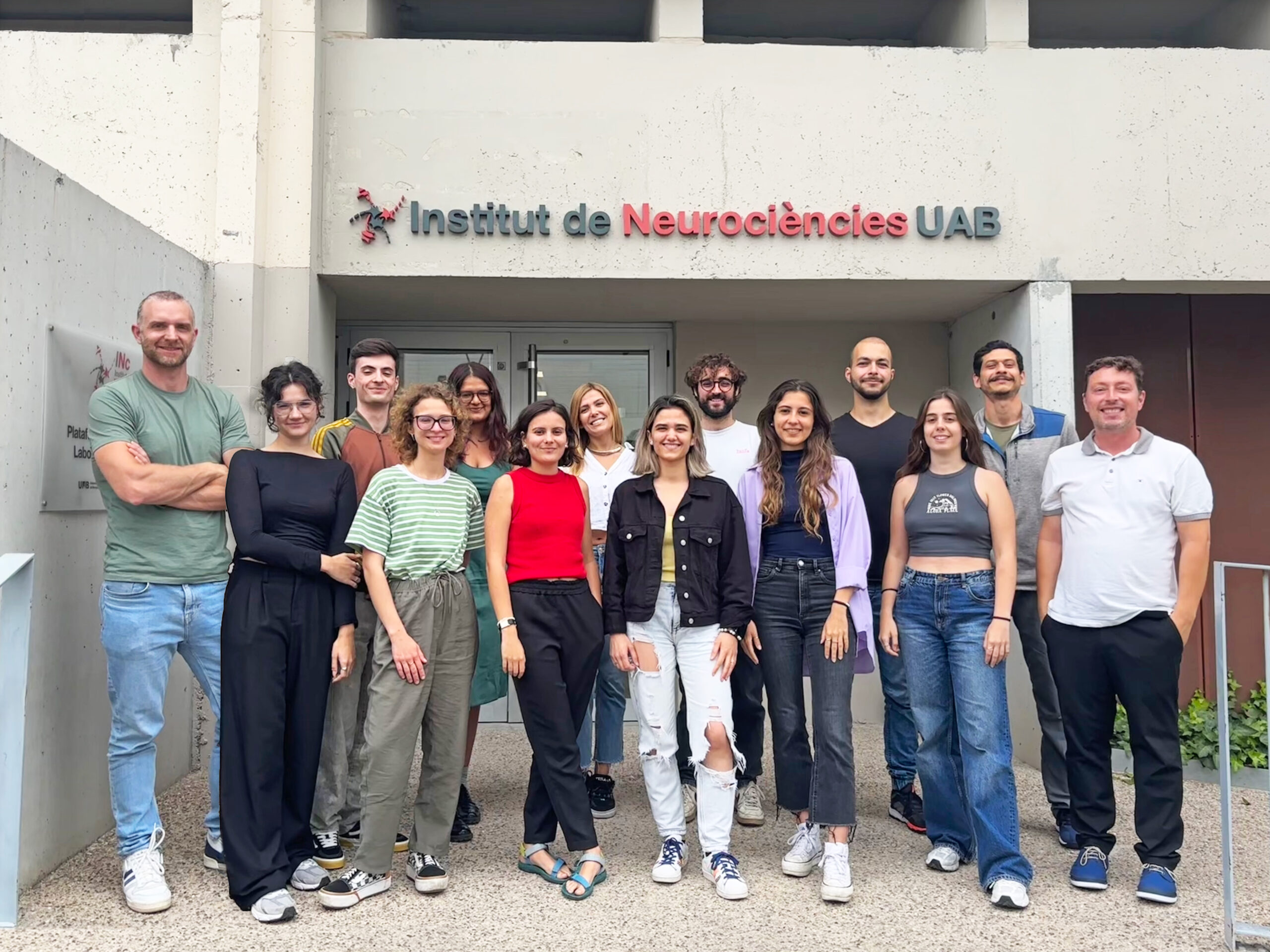
The third edition of the Translational Neuroscience Workshop was held, a joint initiative by I3PT and the Institute aimed at promoting collaboration between clinical and basic research groups.

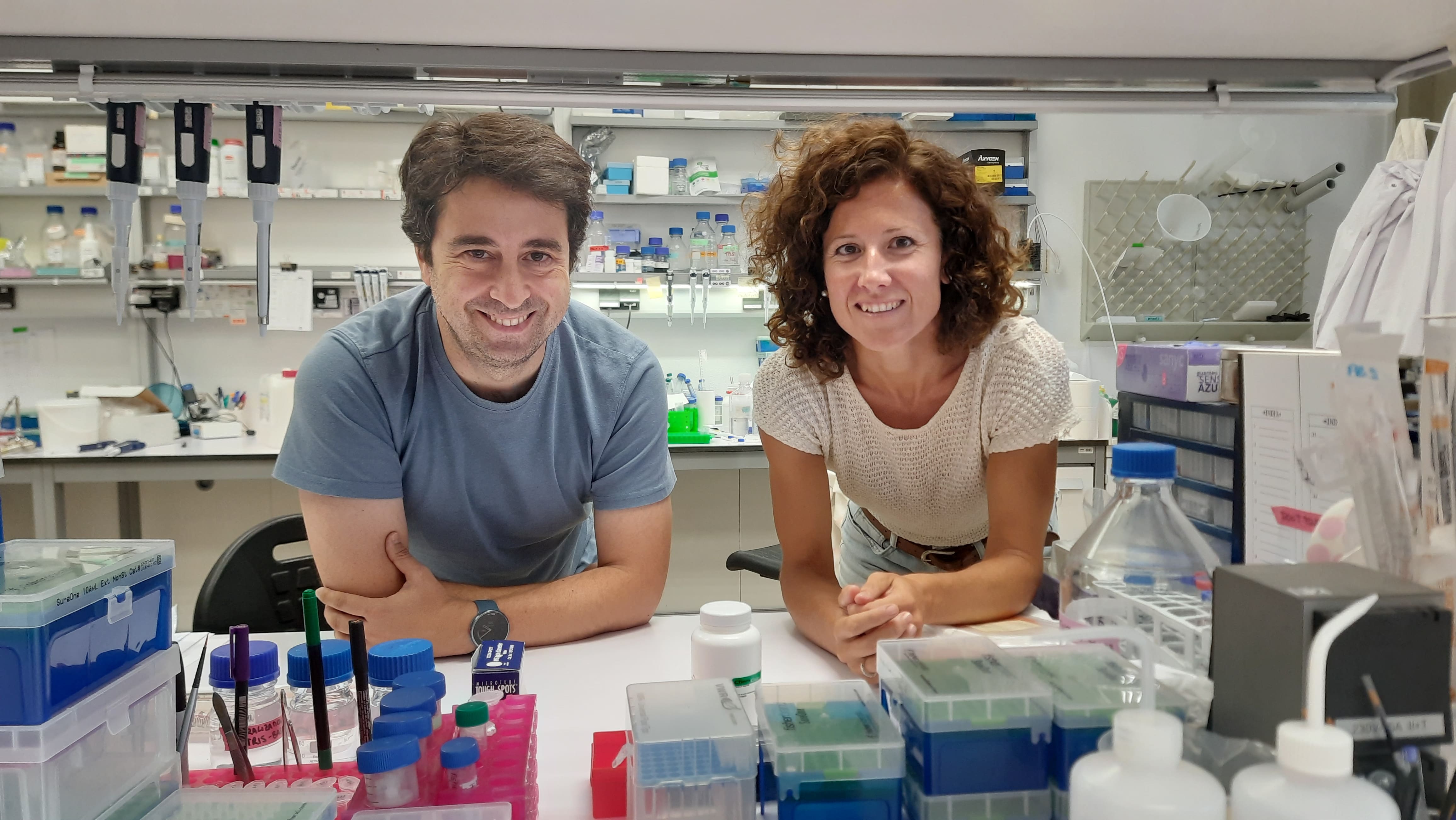
Cannabidiol demonstrated to alleviate symptoms of Leigh syndrome
06 09 2024
A study led by Drs. Emma Puighermanal and Albert Quintana, and published in the journal Nature Communications, demonstrates in animal models how daily administration of cannabidiol (CBD) extends lifespan and improves symptoms associated with Leigh syndrome. The research group also demonstrated in both mice and fibroblasts from children with the disease that CBD improves cellular function.
The UAB ranked as the top Spanish university for Neuroscience research
22 07 2024
The Best Global Universities Rankings, published by US News, places the UAB in the 1st position of the Spanish universities doing research in Neurosciences and the #49 in the world.

Men and women process memory in different ways
11 07 2024
The Translational Mechanisms of Fear Memory Lab described in an article published in Science Advances the detection of new neuronal circuits involved in fear memory that differ in males and females. These findings have profound implications in understanding human neuropsychiatric disorders, such as post-traumatic stress disorder (PTSD), which exhibit fear memory alterations.
A new material derived from graphene improves the performance of neuroprostheses
10 07 2024
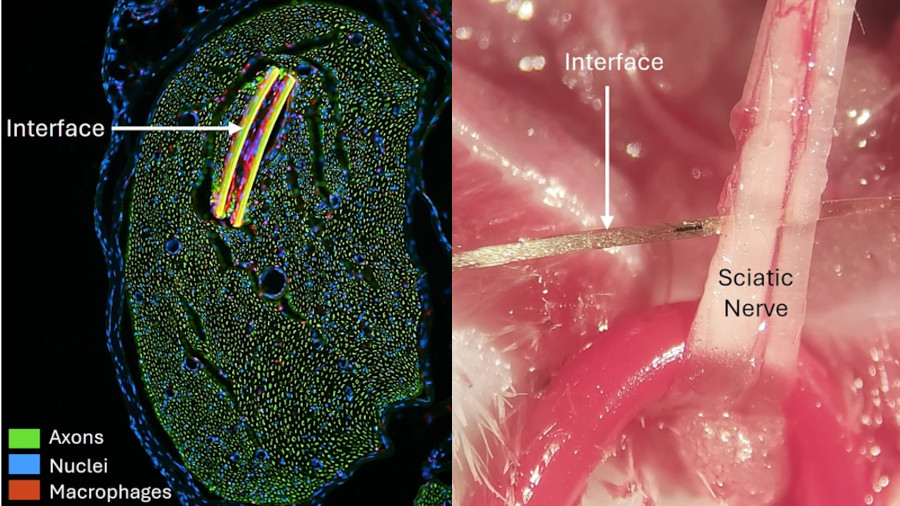
A study coordinated by Dr Xavier Navarro demonstrates in animal models how EGNITE, a derivative of graphene, allows the creation of smaller electrodes, which can interact more selectively with the nerves they stimulate, thus improving the efficacy of the prostheses.
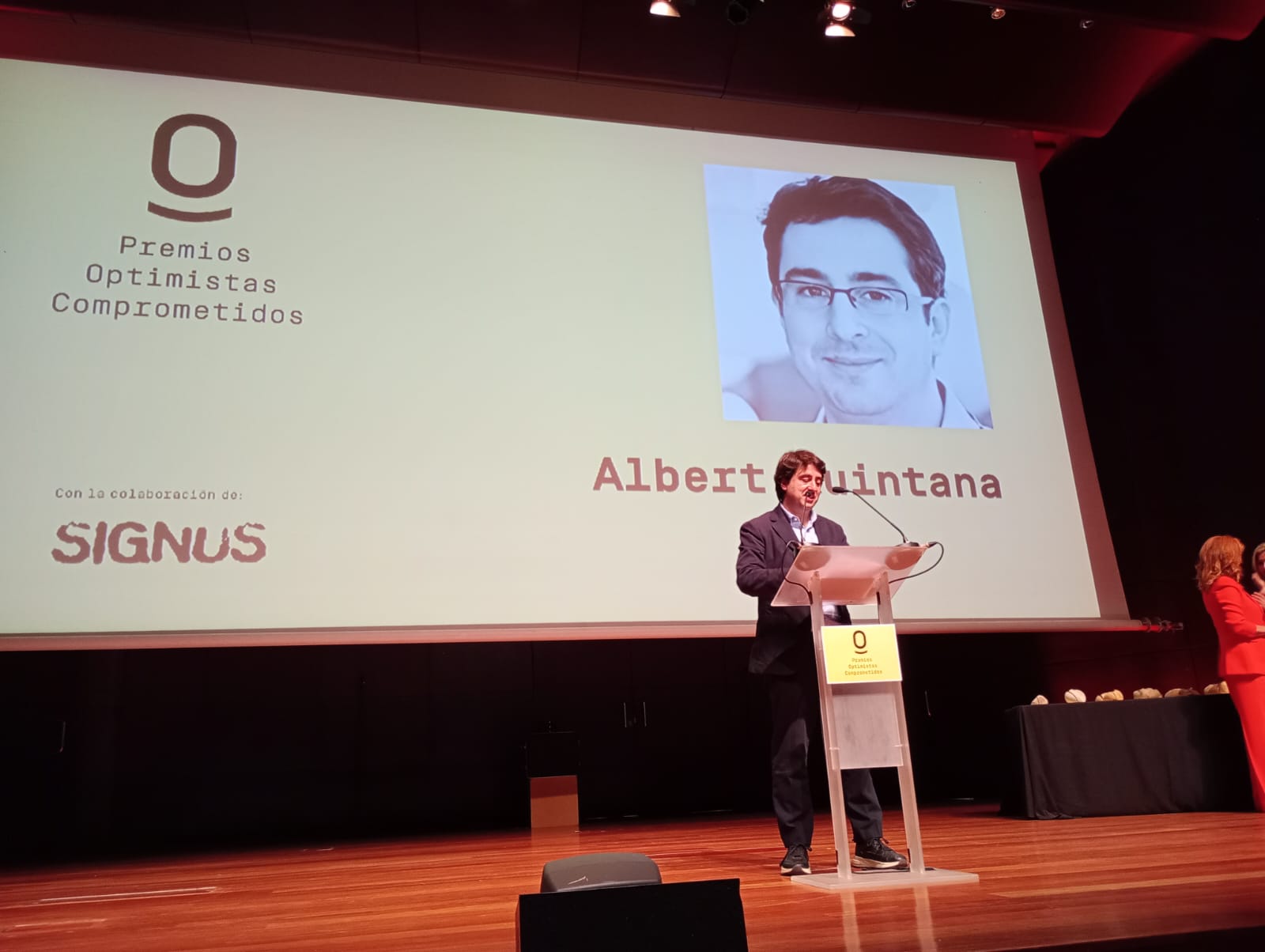
Dr. Albert Quintana received the committed optimist in science award
09 05 2024
The Anoche tuve un sueño magazine awarded Dr. Albert Quintana for his project to create a kit to detect antibiotic resistance.
INc-UAB Calçotada
12 04 2024
The Neurodocs Student Association organized a calçotada last April 6, which brought together around 30 members of the Institute.

Collaboration with AdSalutem
20 03 2024
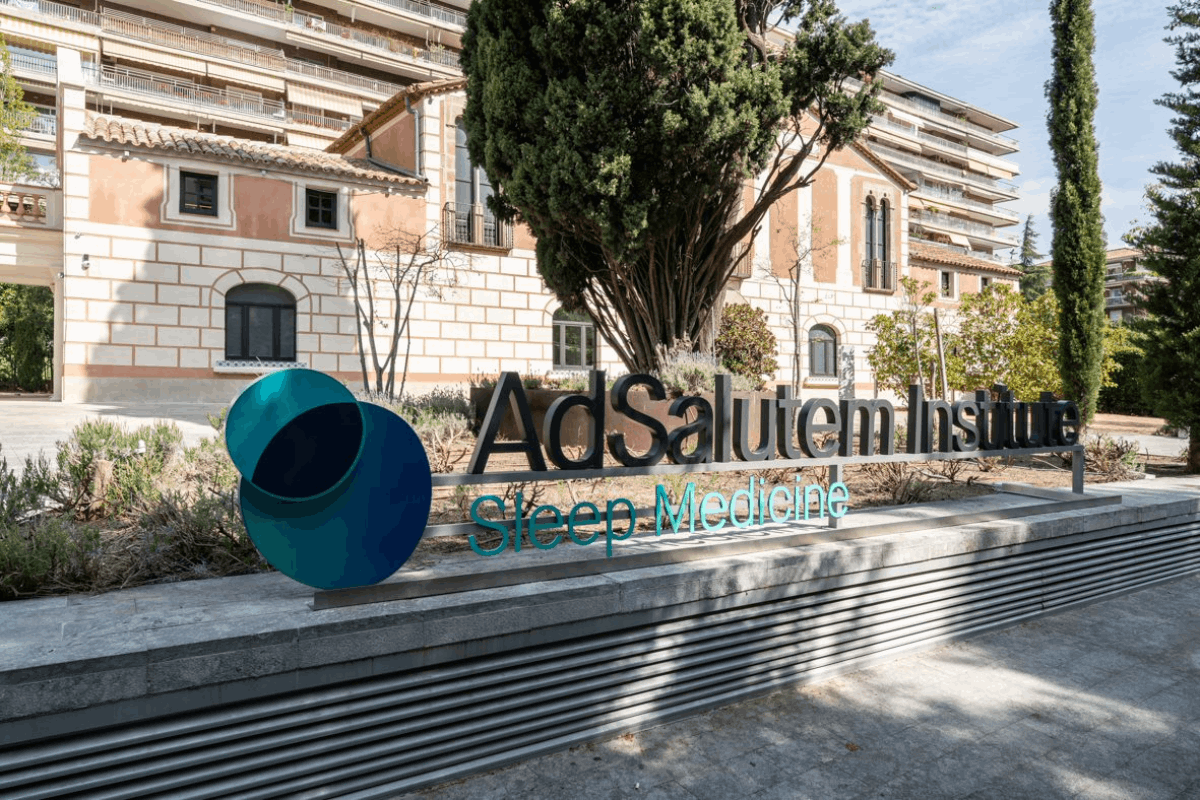
The Institute has signed a collaboration agreement with AdSalutem, a reference center in sleep medicine and brain health. The idea of ¿¿the agreement is to promote collaborations between INc-UAB groups and professionals from the centre.
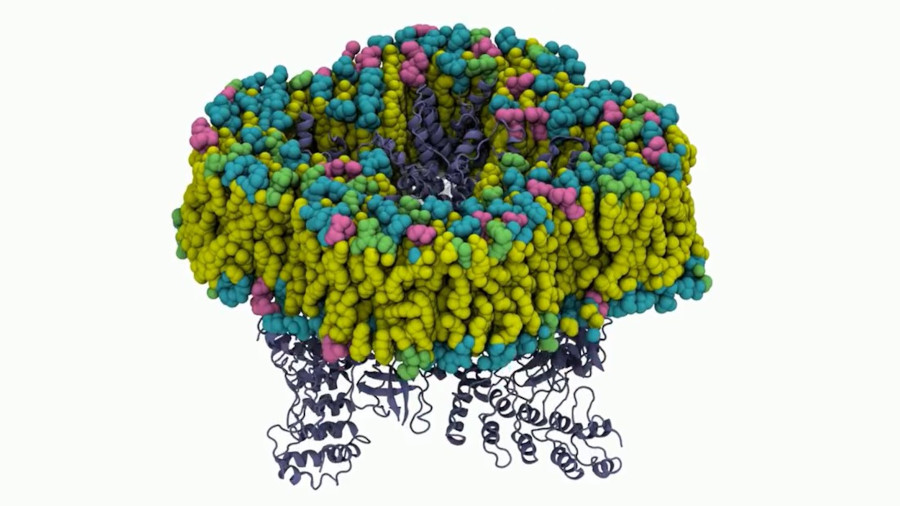
New therapeutic approaches for hypertension through TRPV2 proteins
06 03 2024
Researchers at the Institute have carried out two revealing studies on TRPV2, a key ion channel in several cellular functions, which points to it as a possible new therapeutic target in the treatment of hypertension. On the one hand, they have discovered the vessel-dilating effects of its activation and, on the other, they have identified a molecule capable of activating it in a more potent way than the drugs known to date.