Second Teaching Innovation Seminar of the Department of Clinical and Health Psychology, "AI and health: from the classroom to clinical practice"
It took place on December 10, 2025 and it was organized by Dimitra Anastasiadou, head of teaching innovation of the department, and was attended by around twenty people, including psychology faculty and UAB students. The aim of the seminar was to reflect on the ethical, scientific, and practical implications of artificial intelligence (AI) and its potential to improve health training and the future clinical practice of students.
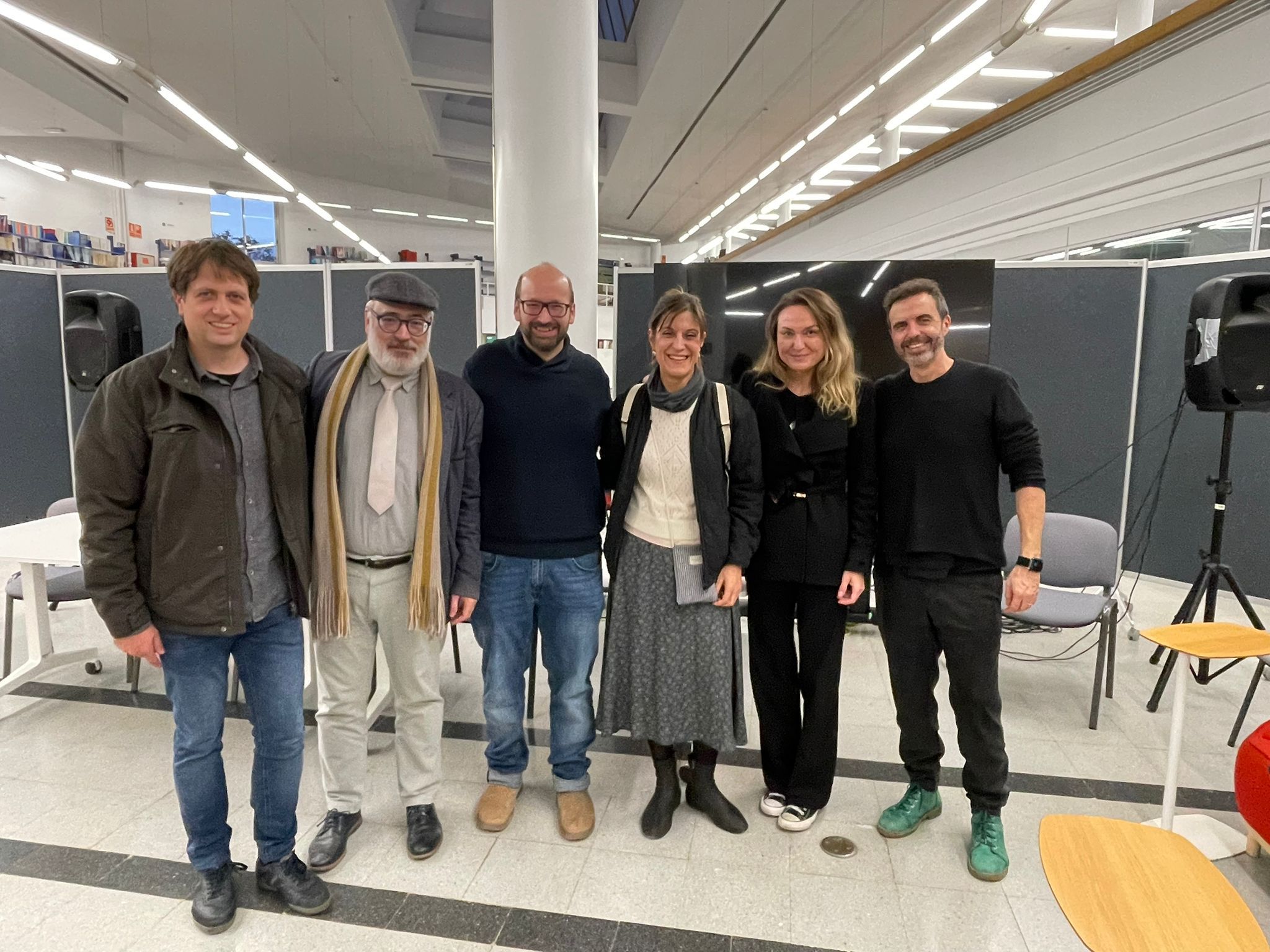
Albert Feliu, associate professor of the Department of Clinical and Health Psychology at the UAB, presented his teaching innovation project “InSilico”, based on personalized chatbots that simulate difficult patients. These tools allow students to practice communication skills in a safe and replicable context, although Feliu discussed both their transformative potential and the risks associated with their use in teaching. Alejandra Misiolek, physician and psychologist at Clínica Art in Barcelona, addressed the clinical implications of the use of AI with patients, warning about the risk of losing the human connection and affecting key therapeutic processes such as mentalization capacity, treatment adherence, and therapeutic confrontation. Rubén Nieto, full professor at the Faculty of Psychology and Education Sciences of the UOC, highlighted the potential of AI applied to research, especially the possibility of working with large and representative samples of AI-simulated participants, as well as validating self-report instruments using data generated by these samples. Xavier de Donato, dean of the Faculty of Philosophy at the Universidade de Santiago de Compostela, offered a critical reflection on what we understand by intelligence and cognition, questioning whether these are exclusively human competencies and exploring possible forms of “symbiosis” between humans and AI systems. Finally, Clara Solé Reina, psychologist and student of the Master’s Degree in General Health Psychology at the UAB, contributed the perspective of students and future health professionals. She raised concerns such as the possible loss of creativity and critical reflection, as well as the risk of becoming “hooked” on immediate responses without assessing their quality, and the impact of these uses on the learning process.
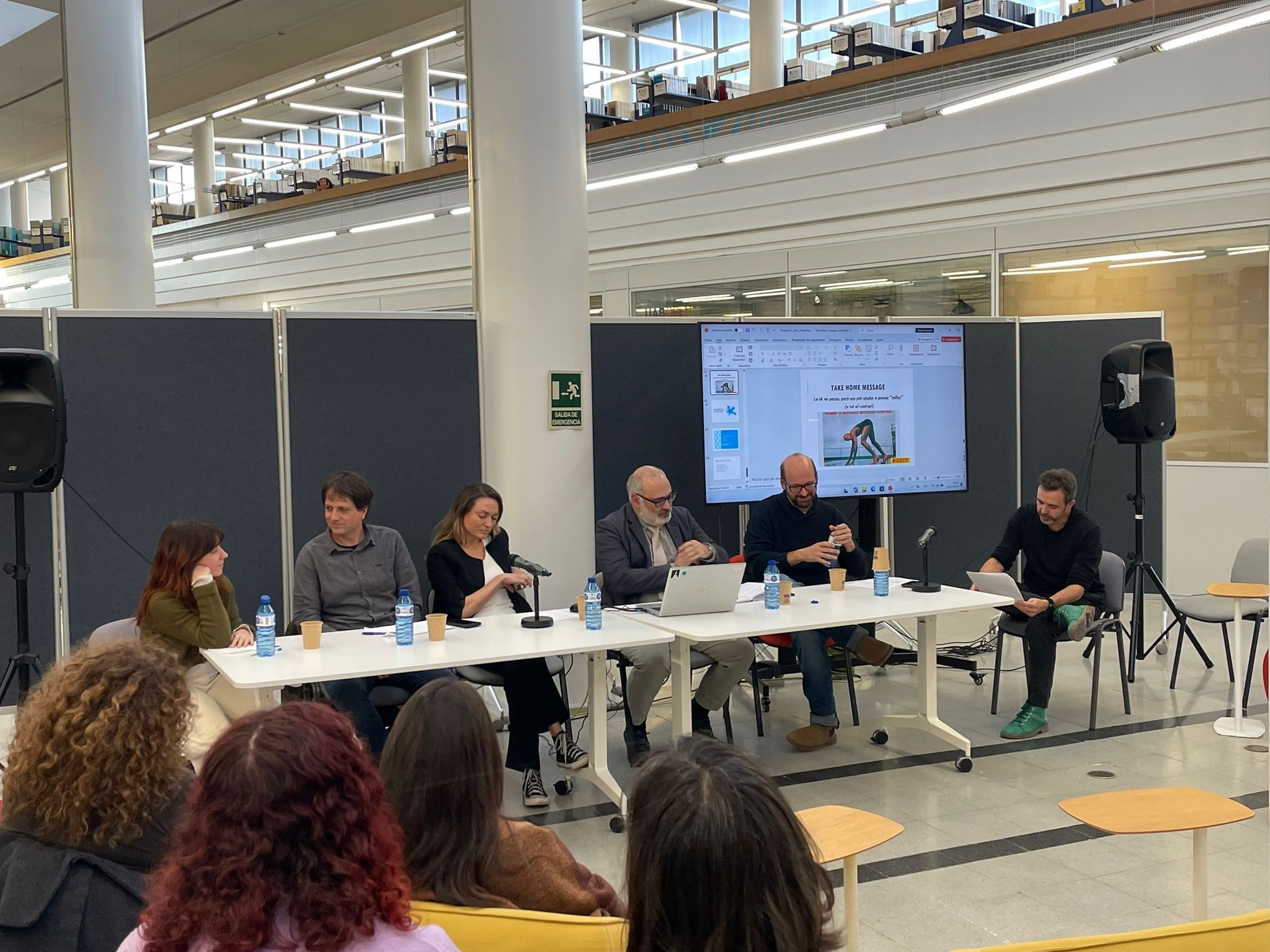
In the final debate, led by Sergi Ballespí from the Department of Clinical and Health Psychology, the idea of AI as a “necessity-virtue” emerged: a technology that is here to stay and that must be integrated in a responsible and critical way, with solid educational criteria adapted to mental health training.