Article of the Month of november: How Genetic Susceptibility Modulates the Impact of Childhood Experiences on Mental Health for Better and for Worse
The Research and Communication Committee of the Department of Clinical and Health Psychology has selected “Time to incorporate positive experiences and outcomes in psychosis research: Genetic differential susceptibility to childhood experiences works for ‘better and for worse” as the article of the month.
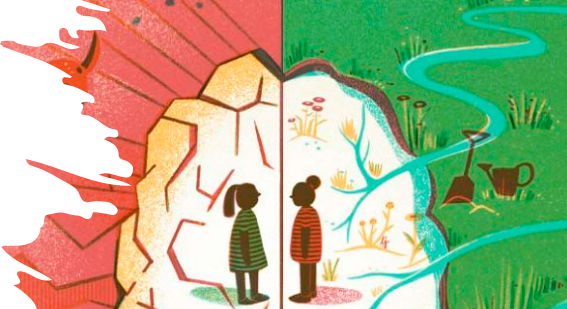
This study, published in Translational Psychiatry, explores how genetic differences in environmental sensitivity modulate the effect that childhood experiences—both positive and adverse—have on mental health “for better and for worse.” The research, led by Neus Barrantes-Vidal in collaboration with Dr. Pilar Torrecilla and predoctoral researcher Valeria Lavín from the Department of Clinical and Health Psychology, together with a large international team, is part of a line of work that integrates genetics, psychology, and transdiagnostic models of mental health.
Differential susceptibility proposes that some individuals are more sensitive to their environment, not only in the face of adversity but also when exposed to supportive experiences. To examine this phenomenon, the study analyzed the interaction between participants’ genetic scores of environmental sensitivity and a broad characterization of the childhood exposome, which includes both adverse and positive experiences. With a sample of 941 young adults, the authors identified how this genetic sensitivity moderates the impact of early environments on various psychopathological and well-being dimensions.
The results show that those with greater genetic susceptibility experience more psychotic and affective symptoms and poorer functioning when they have grown up in adverse environments—especially when the adversity is associated with the father figure. However, these same individuals show fewer symptoms, better mental health, and greater functioning when they have enjoyed positive environments during childhood, such as social support or warm family relationships.
The study also highlights the importance of considering positive experiences as active protective factors, rather than simply the presence or absence of risk factors.
These findings underscore the need to incorporate models that integrate both risk and resilience in the study of psychosis and mental health more broadly. They also emphasize the importance of promoting supportive environments during childhood as a particularly effective preventive strategy for people who are more sensitive to their context.