Indigenous peoples play a key role in the conservation of seagrass meadows
Recognizing and strengthening the role of Indigenous Peoples in the stewardship of seagrass meadows is essential for the conservation and restoration of these ecosystems. This is the main conclusion of a review conducted by researchers at the University of Helsinki and ICTA-UAB, recently published in Current Opinion in Environmental Sustainability.
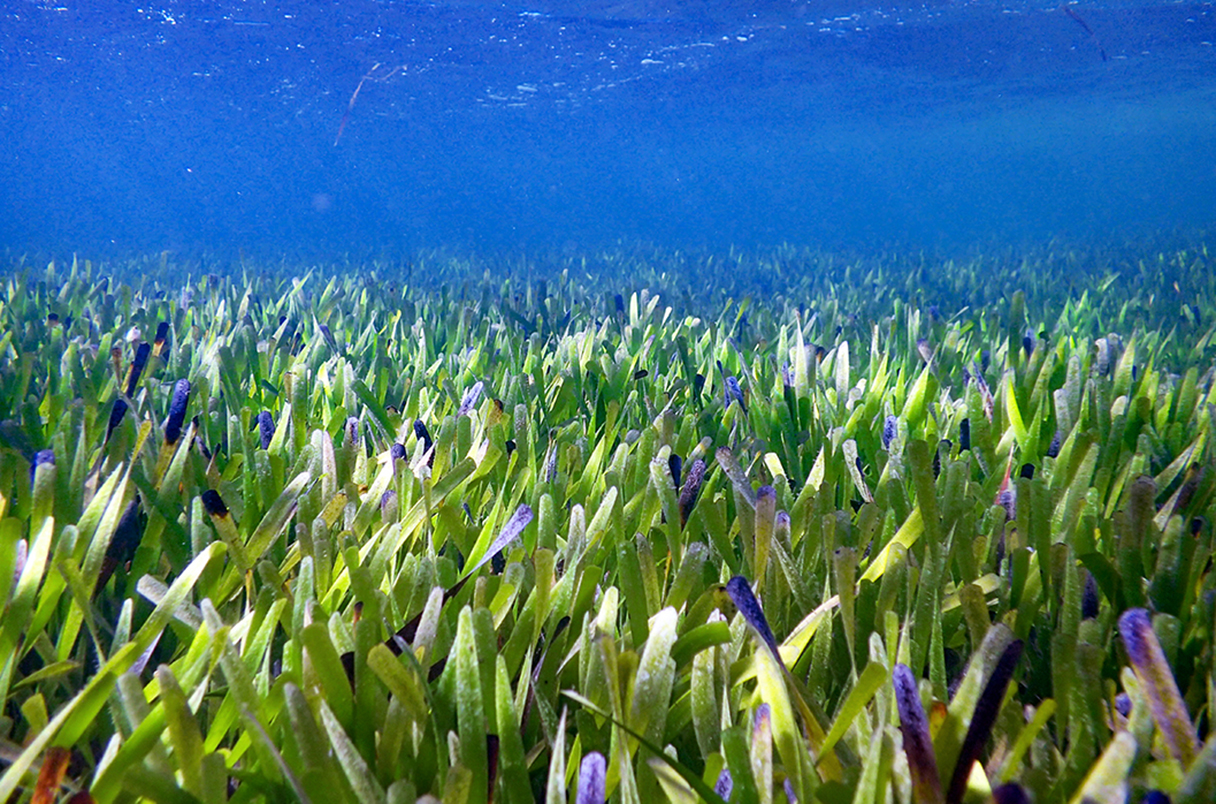
The review brings together evidence showing how Indigenous knowledge systems and governance have helped sustain the health of these coastal ecosystems for millennia and argues for their integration into future ocean governance.
Seagrass meadows are highly productive ecosystems that sustain biodiversity, support fisheries, help regulate the climate, and underpin food security for millions of people worldwide. Yet they remain undervalued and are often overlooked in marine governance.
The review synthesizes documented examples from Australia and North America showing how Indigenous Peoples have developed stewardship practices over generations based on reciprocal relationships with the marine environment. These include sustainable harvesting protocols, seasonal closures, protection of sacred sites, restrictions on hunting large marine herbivores such as sea turtles, manatees and dugongs, as well as Indigenous-led initiatives in cultural mapping, monitoring and restoration.
“Seagrass meadows should not be understood solely as ecosystems that need protection. For many Indigenous peoples, they are part of a living cultural landscape where people, plants, and animals maintain relationships of reciprocity and mutual care. Incorporating this way of understanding and managing the marine environment is essential to developing conservation strategies that are both fairer and more effective,” explains Álvaro Fernández-Llamazares, researcher at ICTA-UAB and co-author of the study.
The study also examines how colonialism, together with centralized governance systems, disrupted many of these traditional stewardship practices, contributing to the erosion of Indigenous knowledge and governance systems that had supported seagrass ecosystems for centuries.
At the same time, the review documents a growing number of Indigenous-led restoration initiatives that weave Indigenous knowledge with scientific monitoring. According to the authors, these initiatives are delivering positive ecological outcomes while also restoring cultural relationships with seagrass ecosystems, strengthening intergenerational knowledge transmission, and supporting more just and resilient approaches to marine governance.
Based on the evidence reviewed, the researchers argue that securing the future of seagrass meadows requires transformative change in ocean governance. They identify four key priorities: recognizing Indigenous rights and marine tenure, promoting the co-production of knowledge between Indigenous knowledge holders and marine scientists, embedding relational governance grounded in kinship and reciprocity into policy and practice, and providing sustained support for Indigenous-led stewardship through long-term funding and institutional backing.
According to the authors, embedding Indigenous models of care into marine governance offers a pathway to sustaining both seagrass ecosystems and the cultures that have stewarded them for generations, while contributing to more just and resilient approaches to biodiversity conservation.
Article reference: Manca, F., Fernández-Llamazares, A., De la Torre-Castro, M., et. (2026) Indigenous Peoples’ stewardship of seagrass ecosystems. Current Opinion in Environmental Sustainability, https://doi.org/10.1016/j.cosust.2026.101686