Culture and local leadership: the key to environmental education in biodiverse areas
It is essential to decolonize environmental education initiatives implemented in regions of high biological richness, rather than continuing to apply Western models that ignore local culture and disconnect nature protection from community leadership, according to an international study involving ICTA-UAB.
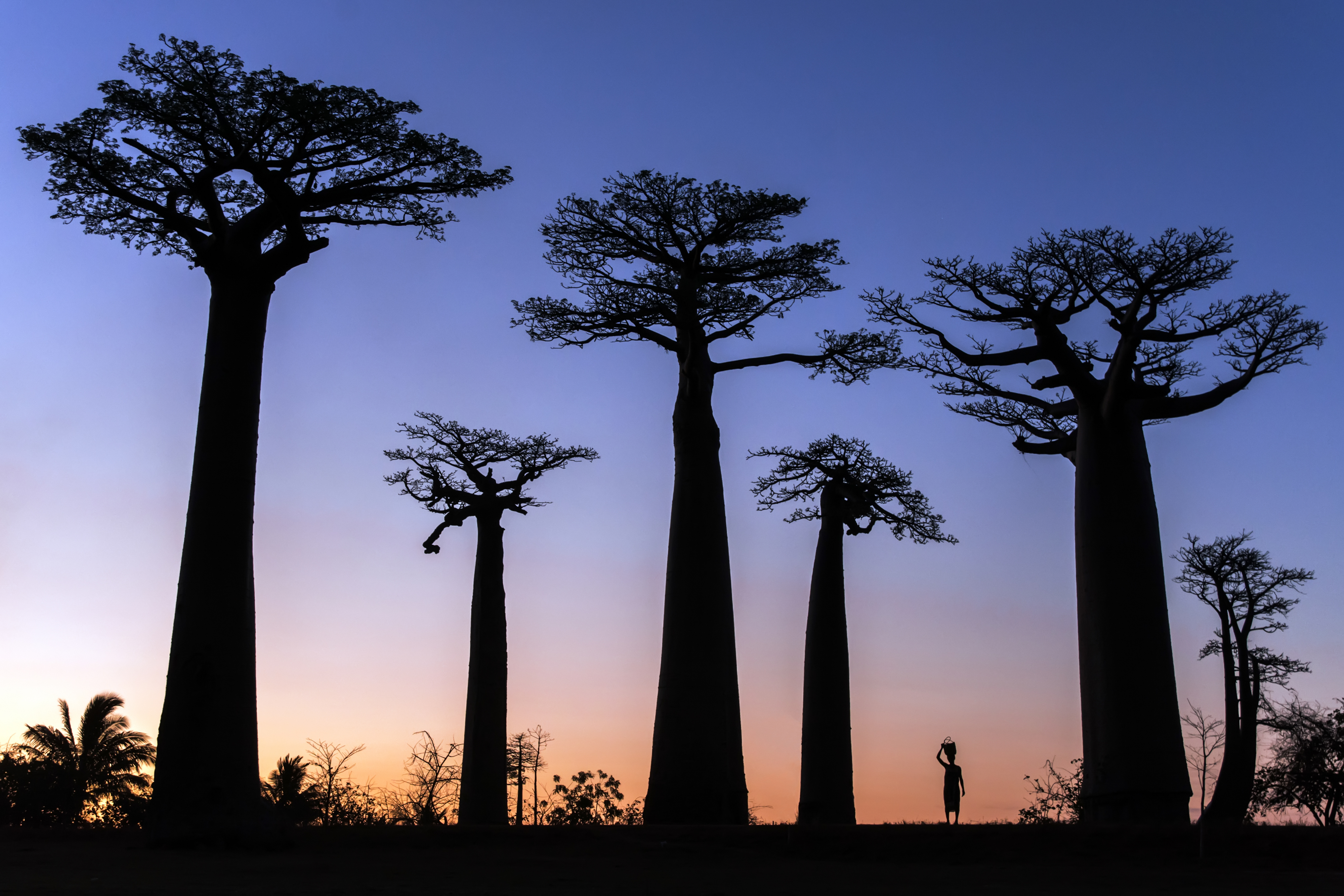
The study analyzes 61 education projects in Madagascar with the goal of demonstrating how the use of biocultural approaches—those that integrate local knowledge and the daily realities of local populations—can help decolonize environmental education and adopt socially just conservation models.
The work highlights a paradoxical imbalance in Malagasy territory. Madagascar is a global priority for conservation due to its high species richness. Furthermore, local Malagasy communities maintain intergenerational connections with nature through their livelihoods, cultural identities, worldviews, institutions, and ecological knowledge. Although the vast majority of environmental programs analyzed are taught in the native language as well as local dialects to build trust and facilitate understanding, the culture of the population remains virtually excluded from educational content. “Most initiatives focus on ecological and environmental topics, such as biodiversity and reforestation, likely responding to the interests of funders. In contrast, few projects include cultural aspects such as social norms, community taboos, or traditional medicine,” explains Aina Brias-Guinart, postdoctoral researcher at the University of Helsinki and lead author of the study.
Currently, cultural practices such as traditional agriculture tend to be presented as essentially destructive practices, rather than seeking common ground between cultural heritage and environmental protection. “Subsistence agricultural practices such as the use of fire, known locally as tavy, are often criminalized in the educational content of environmental education programs, pointing to local populations as the main threat to local biodiversity rather than recognizing their knowledge of sustainable resource management,” indicates Álvaro Fernández-Llamazares, researcher at ICTA-UAB and co-author of the study.
Regarding governance, the research reveals that local communities remain relegated to a passive role, acting as participants or attendees in activities. Very few projects involve communities in their design phase, and only a minority grant them leadership roles, which fall to external organizations. Even fieldtrips to natural areas tend to reproduce the colonial vision of a pristine and idyllic nature, isolated from daily life and the subsistence needs of those who inhabit the territory. “Decolonizing environmental education involves redesigning programs from the start, incorporating community elders, spiritual leaders, and custodians of local knowledge not as mere spectators, but as educators on an equal footing with formal teachers,” adds Brias-Guinart.
The scientific team suggests adopting a biocultural pedagogical framework that recognizes the linkages between culture and nature. The study defends the need to replace one-way teaching with genuine partnerships in which local communities stop being mere recipients of environmentalist messages and become co-creators and active leaders in managing their own natural and cultural heritage. “We must draw on local pedagogies through the use of oral storytelling, music, dance, or seasonal ceremonies, as well as move beyond occasional community consultation to give way to genuine local leadership,” indicates Fernández-Llamazares, who notes that ensuring their participation in decision-making over their territories allows for a transition from an imposed education model to a tool for emancipation that strengthens their rights, autonomy, and biocultural heritage.
Article of reference: Brias-Guinart, A., Fernandez-Llamazares, ´ A., Ramamonjisoa, B., Razafindravony, L., Reibelt, L. M., Rojosoanotahina, C. J., & Cabeza, M. (2026). Towards biocultural approaches to environmental education—Evidence from Madagascar. Conservation Science and Practice, 8(10), e70400. https://doi.org/10.1111/csp2.70400