News
Search results
Showing matches with:
Summer is coming! Don't forget best practices!
09 06 2025
As the weather gets warmer, shorts and sandals become popular choices for outdoor activities. However, when working in a laboratory, it's crucial to wear appropriate attire to minimize the risk of injuries and exposure in the event of an accident.

New source of natural antibiotics hidden within our own proteins identified
04 06 2025
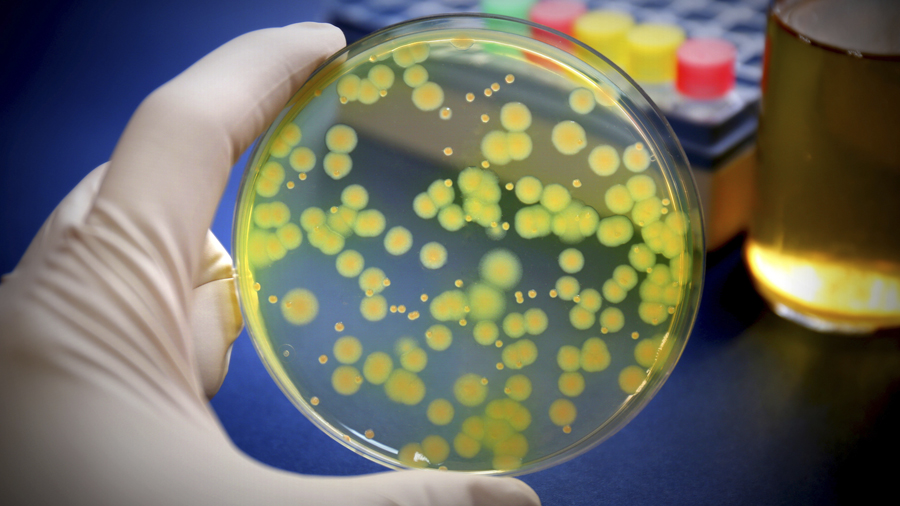
A team of scientists led by the UAB has identified a new type of antimicrobial peptides (AMPs) found in human proteins that are capable of selectively eliminating multidrug-resistant bacteria, particularly of the gram-negative type, responsible for serious hospital acquired infections. The discovery, published in Molecular Systems Biology, could pave the way for more effective treatments against infections resistant to conventional antibiotics.
New edition of the course "Strategies in Biosafety and Biocontainment"
13 05 2025
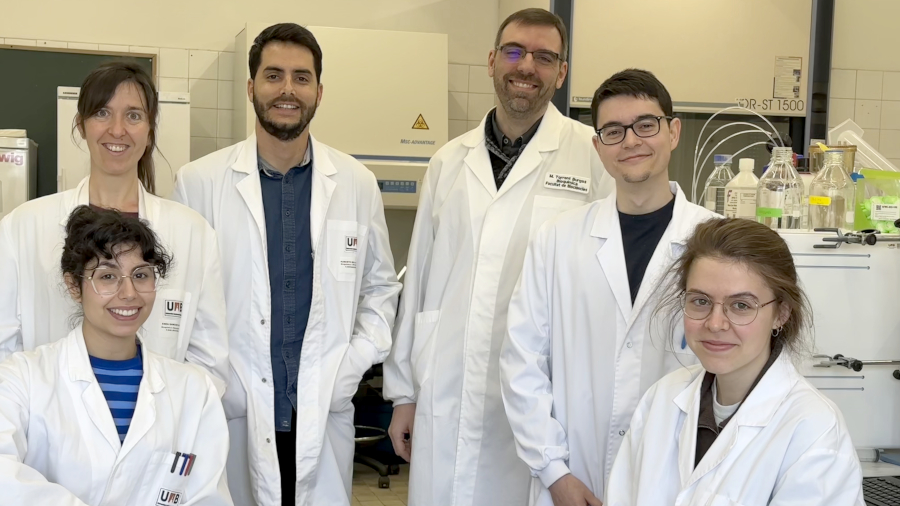
The registration period for the Postgraduate Course "Strategies in Biosafety and Biocontainment" (14th edition). This course, organized by the Faculties of Biosciences and Veterinary Medicine, has the collaboration of IBC-UAB, IRTA-CReSA, CRAG and Hospital Clínic de Barcelona and is preferably aimed at technicians, lab managers, graduates and professionals in the biomedical, biotechnology, veterinary and agri-food sectors.

Klotho: a protein that promotes healthy aging and improves longevity
13 05 2025
An international study led by the Institut de Neurociències at the UAB (INc-UAB) has shown that increasing levels of the Klotho protein in mice extends lifespan and improves both physical and cognitive health when aging.
Common lung bacteria team up to evade immune defences
12 05 2025
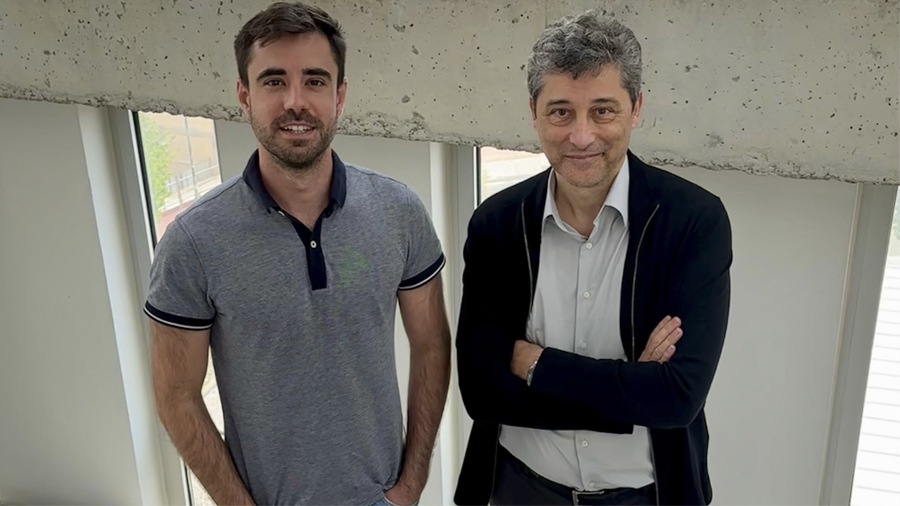
A study led by the UAB and the IBEC has uncovered how co-infection by Pseudomonas aeruginosa and Mycobacterium abscessus, two common lung pathogens, can suppress immune responses and worsen outcomes in patients with respiratory diseases. The findings, published today in the journal Virulence, provide new insight into why polymicrobial infections are particularly difficult to treat and open the door to new therapeutic strategies.