
Legal equality, persistent inequality: The impact of expanded paternity leave entitlements in Spain
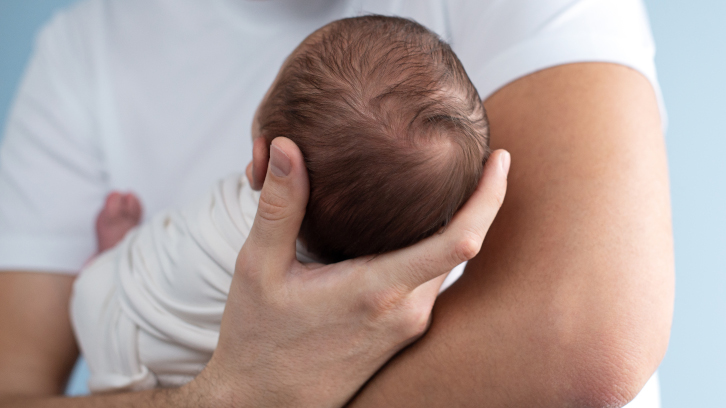
Researchers at the Department of Political Science and Public Law have analyzed whether the expansion of paternity leave in Spain—from 4 to 16 weeks between 2017 and 2021—has helped improve mothers’ labor market outcomes after the birth of a child. This reform, which fully equalized the length of maternity and paternity leave, was presented as a key step toward greater co-responsibility and a reduction in gender inequalities in the labor market.
The motherhood penalty is a well-documented phenomenon. After childbirth, many women reduce their working hours, temporarily interrupt their careers or take unpaid leaves of absence to meet care needs. These adjustments have lasting consequences for women’s income and professional opportunities. In contrast, fathers’ labor trajectories tend to remain stable or even improve.
To assess the impact of extending paternity leave entitlements on gender inequality in the labor market, the study analyses an original survey of mothers in heterosexual couples whose children were born between 2018 and 2022, a period during which the length of paternity leave entitlements varied from 4 to 16 weeks. This research design allows the researchers to compare mothers’ employment outcomes depending on the length of paternity leave available to their male partners.
The results show that equalizing leave lengths has not reduced the motherhood penalty in general terms. Neither the timing of mothers’ return to work, nor the likelihood of returning full-time, nor the perception of having sacrificed more career opportunities than their partner changes significantly with the expansion of leave. The underlying structures that shape families’ work–care decisions appear to remain largely unaffected.
However, the study does identify a group for whom the policy has had a clear impact: couples in which both partners contribute similar levels of income. In these households, mothers return to work earlier and are more likely to do so full-time, and they report that fathers’ involvement in care has enabled them to return to work on a full-time basis. In these cases, the extension of paternity leave entitlements has reinforced pre-existing egalitarian dynamics.
For most families, however, the reform has not altered labor decisions. A key reason is that Spain still has one of the shortest maternity leaves in Europe. Once the 17 weeks are exhausted, many mothers continue to assume the bulk of childcare and resort to unpaid leaves or reduced working hours. In 2021 and 2022, 14.6% of mothers took a leave of absence to care for a child, compared with just 1% of fathers. Even in 2023—when paternity leave was already fully equalized—the number of leave requests submitted by women increased by 10%. This pattern limits the reform’s real impact.
The study concludes that equalizing maternity and paternity leave entitlements is an important step, but insufficient on its own. Its effectiveness depends on the economic balance within households and on the existence of complementary policies. Reducing the motherhood penalty requires additional measures, such as extending paid parental leave, ensuring accessible and high-quality early childhood education and care services, and strengthening women’s job stability and labor protections. Without these elements, many mothers continue to be pushed into unpaid care periods —leaves of absence, reduced working hours or even involuntary exits from employment— due both to insufficient public support and to widespread labor market discrimination against mothers.
Department of Political Science and Public Law
Institute of Government and Public Policy
Universitat Autònoma de Barcelona
References
Marinova, D.; Bellón-Jiménez, P.M. (2025). Paternity Leave and the Motherhood Penalty: How Within-Couple Inequality Conditions Policy Impact. Social Policy & Administration. https://doi.org/10.1111/spol.70034