Invited lecture by Philipp Ther: "How the West lost the Peace after 1989: The Great Transformation from Neoliberalism to Antiliberalism"
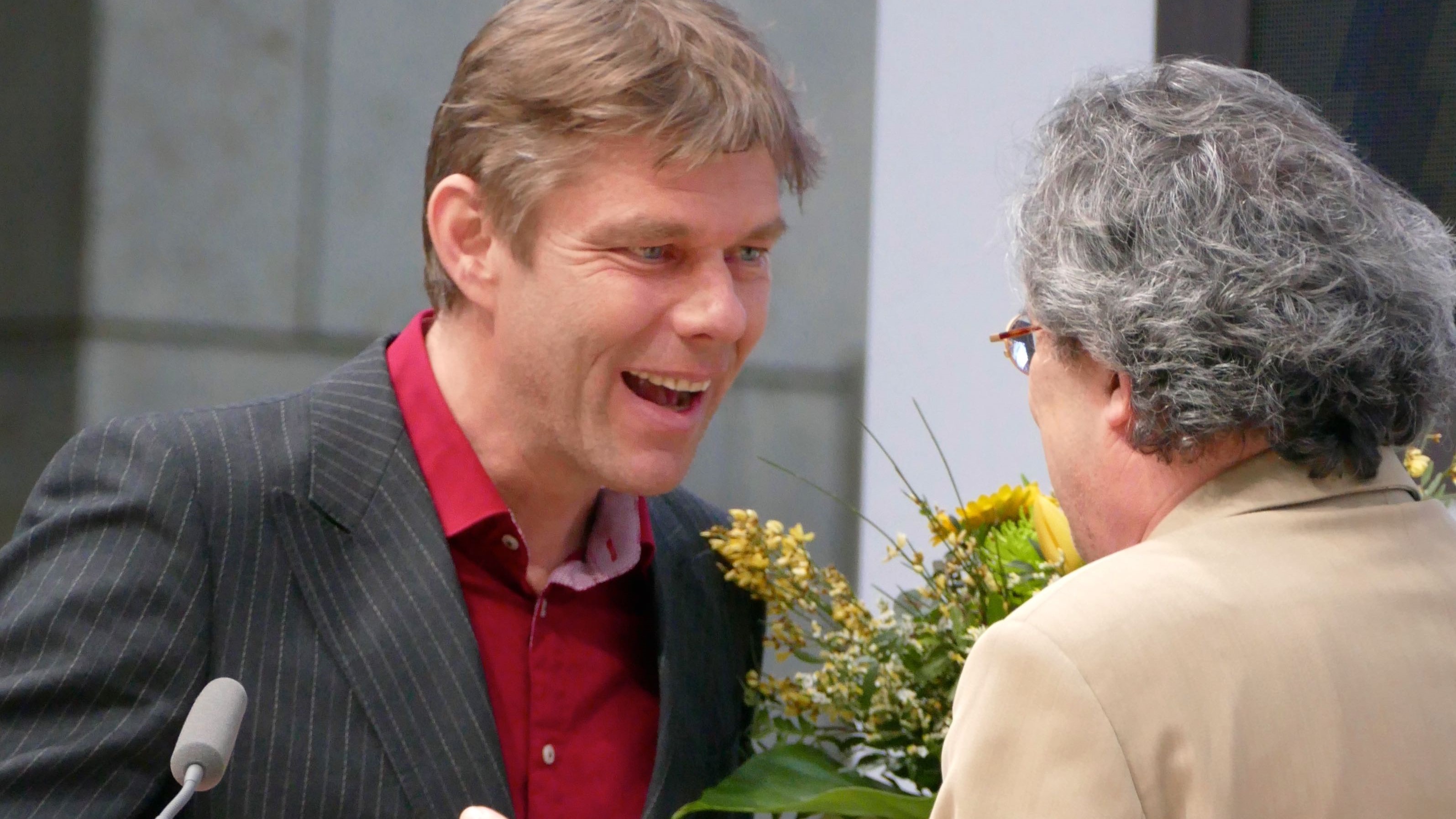
As part of the Invited lectures for the History, Politics and Contemporary Economy degree, on 16 April Philipp Ther, historian of the Research Center for the History of Transformations, will give the lecture entitled "How the West lost the Peace after 1989: The Great Transformation from Neoliberalism to Antiliberalism" in the Hall of Degrees of the Faculty.
07/04/2026
Each year, the Contemporary History, Politics and Economics degree organizes a cycle of invited lectures. For the 2025-2026 academic year, the cycle closes in April with the participation of Philipp Ther, historian of the Research Center for the History of Transformations, who will give the lecture entitled "How the West lost the Peace after 1989: The Great Transformation from Neoliberalism to Antiliberalism".
Neoliberalism, which is used as a neutral analytical term, gained a global hegemony after the fall of the Berlin Wall and the demise of the Soviet Union. The global hegemony of neoliberalism manifested itself in “shock therapies” that were applied in various post-communist countries, and prescribed a policy mix of austerity, privatization of state owned companies, liberalization, deregulation and foreign direct investments as external resources of modernization. The second phase after the turn of the millenium was geared towards the privatization of key state competences, flat tax schemes and a deregulation of global financial capitalism. The neoliberal transformation and globalization –both processes were interconnected– did create new growth and investment, but it crashed in the global financial crisis in 2008/09, when the Eastern European bubble burst as well.
Moreover, the neoliberal order turned out to be politically untenable because of rising social and regional inequality, that provoked a first strong antiliberal counter-reaction in 2016. We already know from recent history that the second electoral victories of antiliberal politicians and parties, and their subsequent governance are even more disruptive. That is also due to radicalizing dynamics in internal and (a)social media communication. Based on a Polanyian approach the talk will explore the continuities between neoliberalism and antiliberalism, which claims to end the neoliberal globalization, but continues neoliberal thinking and policies in key areas.
The conference will be held next April 16 at 11:30 in the Faculty's Sala de Graus. It will also have the presence of the coordinator and the sub-coordinator of the BA program, Javier Rodrigo and Steven Forti, professors of the Department of Modern and Contemporary History.