Researcher Victoria Reyes-García appointed member of the Academia Europaea
Dr. Victoria Reyes-García, an ICREA research professor at the ICTA-UAB, has been appointed this month as a member of the Academia Europaea, one of Europe’s leading academic institutions.
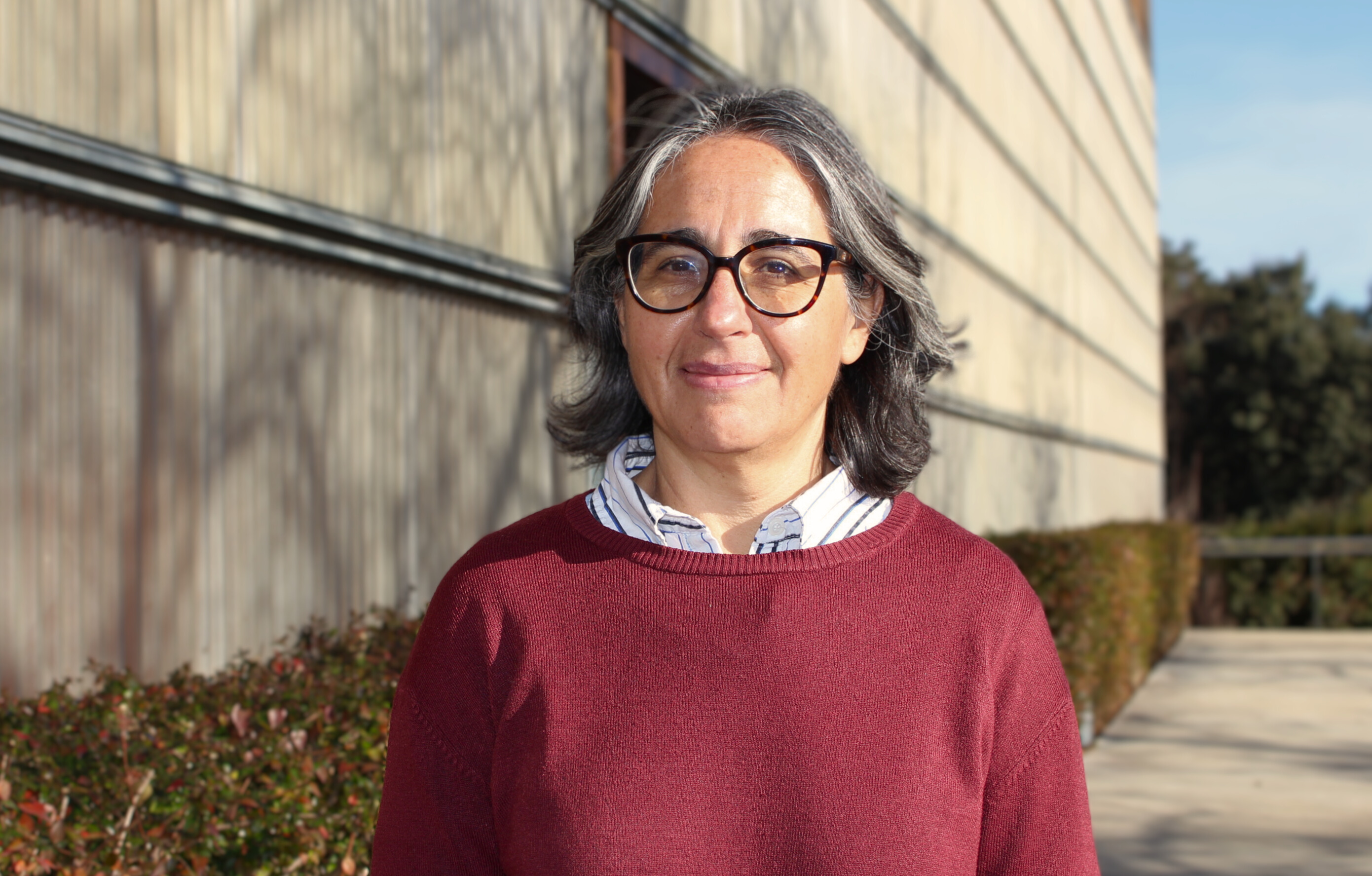
Founded in 1988, the Academia Europaea is a pan-European, non-governmental scientific academy dedicated to promoting excellence in research across the humanities, social sciences, mathematics, medicine, and the natural and technological sciences. The institution brings together more than 5,500 members, including around 88 Nobel laureates, and aims to foster interdisciplinary research, advise governments and international organizations on scientific matters, and promote education and the dissemination of knowledge.
Membership in the Academia Europaea is by invitation only and is regarded as a recognition of the prestige and scientific trajectory of those elected. Members are selected through a nomination and peer-review process that assesses academic excellence and the relevance of their scientific contributions. Following her appointment, Reyes-García has been invited to take part in the Academy’s annual conference, Building Bridges 2026, to be held in October in Budapest (Hungary).
In early 2025, the ICTA-UAB researcher was also recognized as a distinguished alumna by the University of Florida, in acknowledgment of her contributions to advancing understanding of Indigenous knowledge systems and their relevance for addressing global environmental challenges such as climate change and biodiversity loss. In November of the previous year, she additionally received the Rei Jaume I Award in the category of Environmental Protection.
Dr. Reyes-García has focused her career on examining how Indigenous and local knowledge can contribute to tackling major contemporary environmental challenges. Between 1999 and 2004, she lived among the Tsimane’, an Indigenous people of the Bolivian Amazon, and has since carried out extensive fieldwork in a wide range of international contexts, including Spain, India, Mexico, Cameroon, Indonesia, and Senegal.
Her research trajectory also includes a prominent role in international science–policy initiatives, such as the assessments of the IPBES, the joint IPBES-IPCC report, and the Earth Network of UNESCO.