
- Home
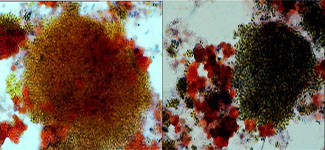
In search of a new process to make more biodegradable phenolic compounds
Biological treatment of phenolic industrial effluents usually has low removal efficiency. Therefore, other technologies such as Wet Air Oxidation and Wet Peroxide Oxidation could be applied. The main objective of this research was to...
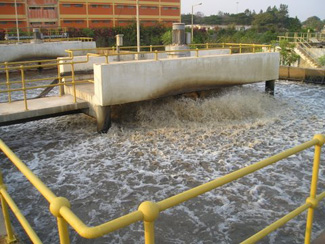


New on-line analyser of harmful composes in biogas
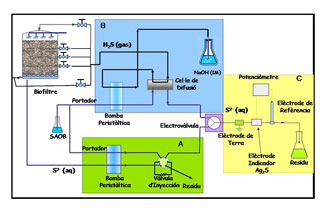
Researchers of the Group of Waste Gas Treatment at the Department of Chemical Engineering of the UAB have developed an analyser for the detection of sulfide ion in liquid and hydrogen sulfide in gas samples, especially designed to be used in the control of biofílters...
How can we monitor the composting process?
Nowadays, composting is one of the most sustainable alternatives for the management of solid waste. However, until now there are no reliable variables that can be used to monitor the biological processes of composting. In this article, the authors propose a new method, based on...